
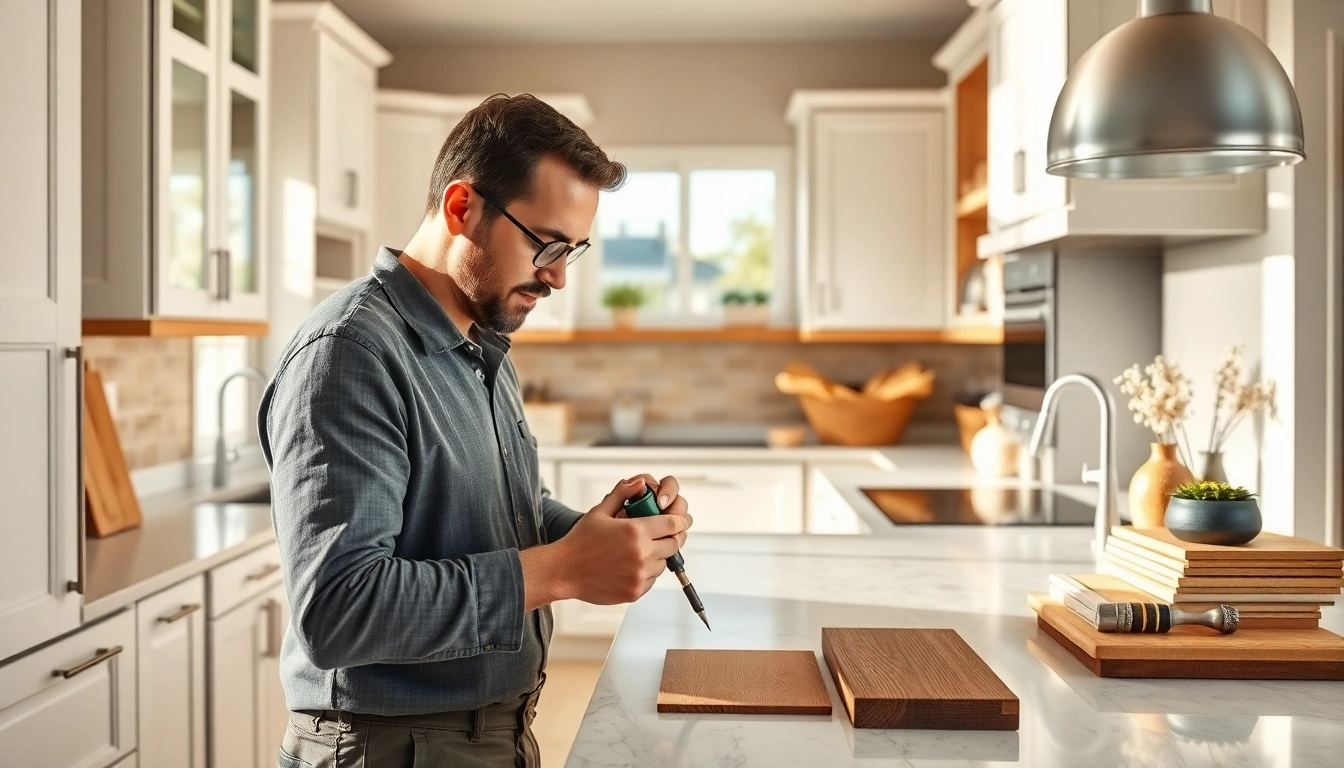
Understanding Cabinet Refacing Clearwater FL
What is Cabinet Refacing?
Cabinet refacing is a transformative process that allows homeowners to upgrade the appearance of their kitchen or bathroom without the need for a complete overhaul. Instead of tearing out existing cabinets, refacing involves replacing the cabinet doors and drawer fronts while applying a new veneer to the cabinet boxes. This approach refreshes the look of your cabinetry while reducing waste and costs associated with a full replacement. For anyone exploring options, Cabinet Refacing Clearwater FL offers a variety of styles to rejuvenate your space aesthetically.
Benefits of Cabinet Refacing
Cabinet refacing comes with numerous benefits that appeal to both aesthetics and practicality:
- Cost-Effective: Refacing is significantly cheaper than full cabinet replacement, often saving homeowners thousands of dollars.
- Time-Saving: The refacing process typically takes only a few days, compared to weeks often needed for full replacement.
- Eco-Friendly: By keeping existing cabinet structures, waste is minimized, making refacing a more sustainable option.
- Customization: Homeowners can choose new doors, finishes, and hardware that suit their style while keeping the existing layout.
- Increased Home Value: A fresh cabinet look can significantly enhance the overall appeal of your home, increasing its resale value.
Key Differences between Refacing and Replacing
It’s important to distinguish between refacing and replacing cabinets, as each approach serves different needs:
- Scope of Work: Refacing involves updating only the visible parts of the cabinets, while replacing requires tearing out the entire unit.
- Cost: Refacing is usually less expensive, while full replacement can be a larger financial investment.
- Time Requirement: Refacing can usually be completed in a fraction of the time required for complete replacement.
- Beneath the Surface: If your current cabinets have structural issues, replacement may be necessary, whereas refacing can only resolve cosmetic aspects.
Cabinet Refacing Process Overview
Step-by-Step Guide to Refacing Cabinets
The cabinet refacing process can be broken down into several key steps:
- Evaluation: Assess your existing cabinets for structural integrity. Ensure that they are in good condition to proceed with refacing.
- Planning: Decide on the style and materials you want to use. Research different finishes, colors, and accessories.
- Removal: Remove cabinet doors and hardware, making sure to label each piece for easy reinstallation.
- Veneer Application: Apply the new veneer to the cabinet boxes, ensuring a smooth and even finish.
- Installation: Install the new doors and any additional hardware you have chosen.
- Finishing Touches: Add new drawer fronts and any additional enhancements, such as trim or lighting.
Material Selection for Refacing
Selecting the right materials is crucial for a successful cabinet refacing project. Common materials include:
- Wood Veneer: Offers a natural look, available in numerous species like oak, maple, and cherry.
- Laminates: Available in various colors and patterns, they are durable and easy to clean.
- Paint: A versatile option for a completely custom look, and can be applied to both doors and cabinet boxes.
Consider the finish’s durability and maintenance needs when choosing your material.
Tools Needed for Successful Refacing
If you’re considering a DIY approach, the following tools are essential for a successful refacing:
- Table Saw: For precise cuts of the veneer and cabinet fronts.
- Router: Used for shaping edges and creating clean finishes.
- Drill: Essential for installing new hardware and attaching doors.
- Clamps: To secure pieces while adhesive cures.
- Adhesive: Ensure you select a high-quality adhesive suited for your veneer material.
Design Trends for Cabinet Refacing Clearwater FL
Popular Styles and Finishes
When it comes to design, updating your cabinets allows for vast creative possibilities. Some of the trending styles include:
- Shaker Style: Characterized by clean lines and simple elegance, perfect for modern or transitional homes.
- Flat-Panel Doors: Offering a contemporary minimalist look, they are ideal for sleek designs.
- Rustic Finishes: Distressed wood or antique finishes add warmth and character to traditional styles.
Color Schemes that Enhance Space
Color plays a significant role in your kitchen’s overall ambiance. Here are popular color schemes:
- Neutral Palettes: Whites, creams, and grays maintain a timeless look suitable for any design.
- Bold Accents: Deep blues, greens, or reds can create focal points that energize the space.
- Two-Tone Designs: Mixing colors for upper and lower cabinets adds depth and visual curiosity.
Incorporating Functional Accessories
Enhancing functionality can greatly improve your kitchen. Consider incorporating:
- Pull-Out Shelves: Maximize space and accessibility.
- Lazy Susans: Great for corner cabinets, providing easier access to items.
- Built-In Dividers: Organize utensils and spices efficiently.
Cost Considerations for Cabinet Refacing
Average Costs Explained
The cost of cabinet refacing can vary widely based on several factors, including:
- Cabinet Size: Larger kitchens or multiple cabinets will naturally incur higher costs.
- Materials Chosen: Premium materials and finishes will increase the overall price.
- Labor: Professional installation will add to costs compared to a DIY approach.
On average, homeowners can expect to spend between $2,500 to $6,000, depending on the scope of the project.
Cost-Saving Tips for Refacing
To keep your project within budget, consider the following tips:
- DIY Where Possible: If you have the skills, handling the project yourself can save a significant amount on labor costs.
- Choose Affordable Materials: Opt for less expensive veneer or laminate finishes while still selecting quality options.
- Shop Sales: Look for promotions on cabinetry products and hardware to reduce overall costs.
Return on Investment for Refaced Cabinets
Refacing your cabinets can yield a high return on investment. Reports show that homeowners can recoup about 70-80% of their refacing costs when selling their homes. A fresh, updated kitchen is often a significant selling point. Properly cared-for refaced cabinets can last a long time, further enhancing their value proposition.
Frequently Asked Questions about Cabinet Refacing
How long does the cabinet refacing process take?
The refacing process typically takes around 3 to 5 days, depending on the size of the kitchen and the complexity of the project.
Can I customize the design during refacing?
Yes, you can fully customize your design by choosing various styles, finishes, and hardware options during the refacing process.
Is cabinet refacing a DIY project?
It can be a DIY project if you have the necessary skills and tools, though professional assistance may ensure better results.
What is the average lifespan of refaced cabinets?
Refaced cabinets can last 10-20 years or longer when properly maintained, providing ongoing value to your home.
How do I maintain my refaced cabinets?
Maintenance involves regular cleaning with mild detergent and ensuring that hardware is tight; avoid abrasive materials to preserve finishes.