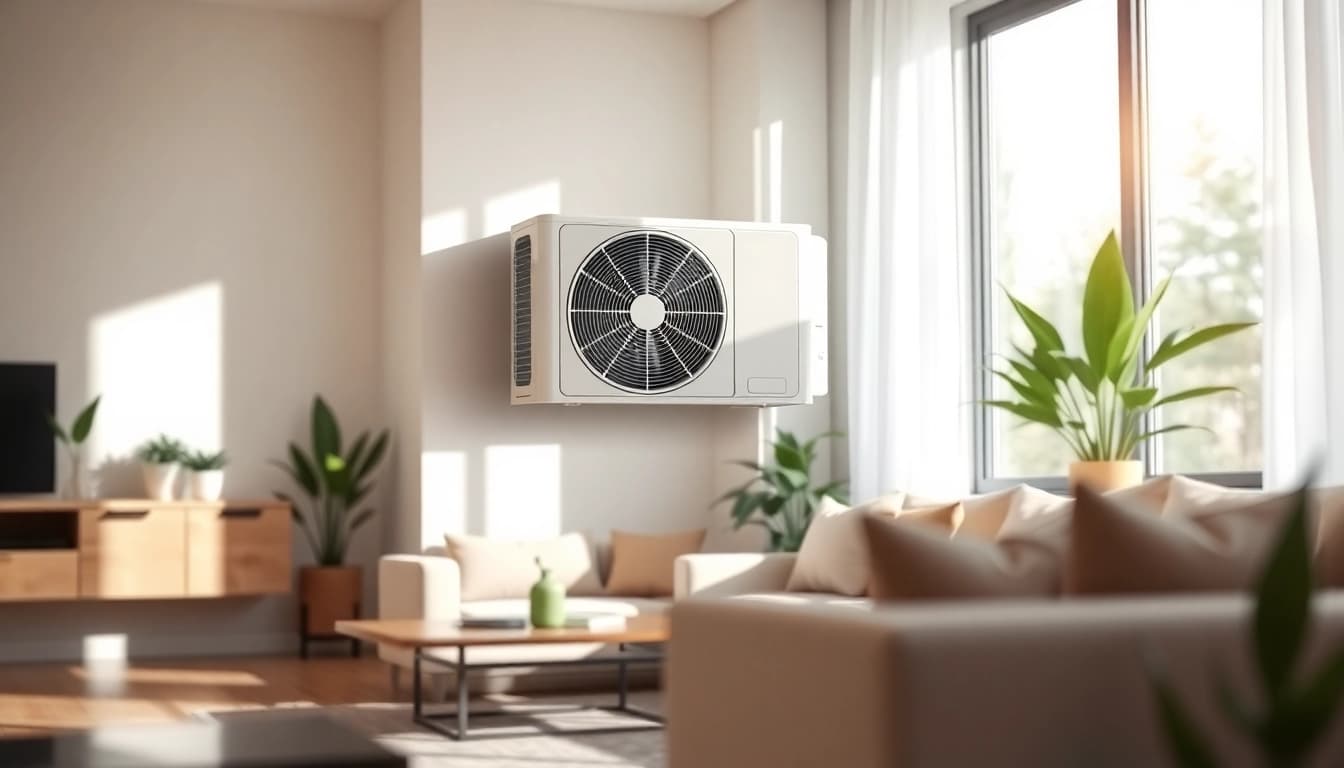
Introduction to Mini Split AC
In the quest for efficient home cooling solutions, mini split ac systems have emerged as an innovative alternative to traditional air conditioning units. These compact systems offer a range of benefits that cater to the diverse needs of homeowners looking for efficient, customizable, and cost-effective climate control options. Understanding the operational mechanisms, advantages, and practical installation methods of mini split AC systems can empower many consumers to make informed decisions about their cooling needs.
What is a Mini Split AC?
A mini split AC is a type of ductless air conditioning system that allows for cooling specific zones within a home without the need for extensive ductwork. It typically consists of one or more indoor units mounted on walls or ceilings, paired with an outdoor compressor unit. This design enables targeted air conditioning in individual rooms, making mini split systems highly efficient and versatile. Unlike traditional central air conditioning systems, which distribute air throughout the home via ducts, mini splits provide localized climate control, which can be adjusted according to each zone’s specific requirements.
How Mini Split AC Works
The operation of a mini split AC system hinges on a refrigeration cycle similar to that of traditional air conditioning systems. The indoor units absorb heat from the indoor air and transfer it to the outdoor compressor unit, which releases the heat outside. This process effectively cools the indoor environment. The primary components involved include an evaporator coil, a condenser, refrigerant, and a compressor. The refrigerant circulates through the system, absorbing heat from inside and expelling it outside, resulting in a comfortable indoor climate.
Key Components of Mini Split AC Systems
- Indoor Unit: The design varies - wall-mounted, ceiling-mounted, or floor-standing options are available, convenient depending on the room's layout.
- Outdoor Unit: Contains the compressor, condenser coil, and fan, responsible for expelling heat absorbed indoors.
- Refrigerant Lines: These insulated lines carry refrigerant between the indoor and outdoor units, facilitating the heat exchange process.
- Remote Control: Many mini split AC systems come with remote controls or integrated smart technology, allowing users to adjust settings conveniently.
Advantages of Mini Split AC
Opting for a mini split AC system presents an array of benefits that make it a compelling choice for many homeowners. Here are some significant advantages that set mini splits apart from traditional air conditioning options.
Energy Efficiency Compared to Traditional AC
One of the standout features of mini split AC systems is their energy efficiency. Since these systems operate without ductwork, they eliminate the energy losses typically associated with air ducts, which can account for as much as 30% of energy consumption in traditional systems. Mini splits often have higher Seasonal Energy Efficiency Ratios (SEER), leading to lower energy bills while maintaining effective cooling. Some models also feature inverter technology that allows the compressor to adjust its speed according to cooling demands, leading to even greater energy savings.
Space-Saving Installation Options
Mini split AC systems are known for their flexibility in installation. Their compact size allows them to fit in tight spaces where traditional systems might not be viable. The absence of ductwork means that installation is less invasive and quickly completed, allowing homeowners to enjoy their new cooling system almost immediately. The indoor units can be strategically placed to provide optimal airflow without occupying significant wall or floor space.
Flexible Zoning for Maximum Comfort
One of the most appealing features of mini split AC systems is their customizable zoning capabilities. Homeowners can install multiple indoor units connected to a single outdoor unit, allowing for distinct temperature settings in different zones of the home. This enables family members to enjoy individual comfort levels, enhancing satisfaction and potentially leading to energy savings, as air conditioning can be confined to occupied areas only.
Installation Process of Mini Split AC
Installing a mini split AC system involves several critical steps that ensure optimal performance and efficiency. Below is a detailed guide to understanding the essential phases of the installation process.
Preparing Your Home for Installation
Before installation begins, it is essential to evaluate the home’s layout and cooling needs. Determining the correct size of the mini split AC system is pivotal; under-sizing or over-sizing can lead to inefficiencies. Assess the areas you wish to cool and discuss your options with a certified HVAC contractor who can provide insights tailored to your home.
Choosing the Right Location for Your Mini Split AC
Selecting ideal locations for both indoor and outdoor units greatly influences the system's efficiency. Indoor units should be placed on interior walls, away from direct sunlight and heat sources, to maximize cooling. For outdoor units, choose a location with good airflow, free from vegetation or obstructions that may interfere with heat dissipation. Proximity to the indoor unit is crucial to minimize refrigerant line length and maintain efficiency.
Steps for Professional Installation
Although some homeowners may consider DIY installation, professional installation is highly recommended. Installation generally includes the following steps:
- Mounting the indoor unit on the wall or ceiling.
- Installing the outdoor unit on a solid surface or bracket, ensuring it’s level.
- Connecting refrigerant lines and electrical wiring between the indoor and outdoor units.
- Vacuuming the refrigerant lines to remove air and moisture, followed by charging the system with refrigerant.
- Testing the system for proper operation, ensuring it cools effectively and efficiently.
Maintenance Tips for Mini Split AC
Maintaining your mini split AC system is crucial for preserving its longevity and effectiveness. Regular upkeep can prevent common issues and ensure that the system operates efficiently over time.
Regular Cleaning and Maintenance Tasks
Routine maintenance for mini split AC systems typically includes the following:
- Cleaning or replacing air filters every 1-2 months to ensure optimal airflow and efficiency.
- Cleaning the indoor unit’s evaporator coil and outdoor unit’s condenser coil annually to remove dust and debris.
- Checking the drainage line for clogs and cleaning it as necessary to prevent water buildup.
Regular maintenance helps prevent system breakdowns and inefficient operation.
Troubleshooting Common Issues
Some common issues that may arise with mini split AC systems include:
- Poor airflow, often related to clogged filters or blocked vents.
- Inconsistent cooling, which can signal refrigerant leaks or compressor problems.
- Strange noises emanating from the indoor or outdoor unit, possibly indicating loose parts or motor issues.
Understanding these symptoms can help homeowners take corrective actions before they escalate into significant problems.
When to Consult a Professional
If issues persist despite troubleshooting, it is essential to consult a professional technician. Particularly when dealing with refrigerant levels, electrical components, or complex mechanical parts, expert intervention ensures safety and repairs done correctly to maintain the system’s integrity.
FAQs About Mini Split AC
What is the lifespan of a mini split AC?
Typically, a mini split AC can last between 12 to 15 years with proper maintenance and regular upkeep, although some units may last longer based on usage and care.
Can mini split AC units heat as well?
Yes, many mini split AC systems are designed as heat pumps, allowing them to provide both heating and cooling solutions depending on your seasonal needs.
Do mini split AC systems require ductwork?
No, mini split AC systems are ductless, which is one of their primary advantages. They install directly in rooms without the need for ductwork.
How noisy are mini split AC units?
Mini split AC systems are generally quieter than conventional window units, with indoor units operating at noise levels between 19 and 50 decibels, depending on the model.
Are mini split AC systems energy efficient?
Yes, mini split AC systems are highly energy-efficient due to their ductless design and often feature high SEER ratings, leading to reduced energy consumption compared to traditional systems.