
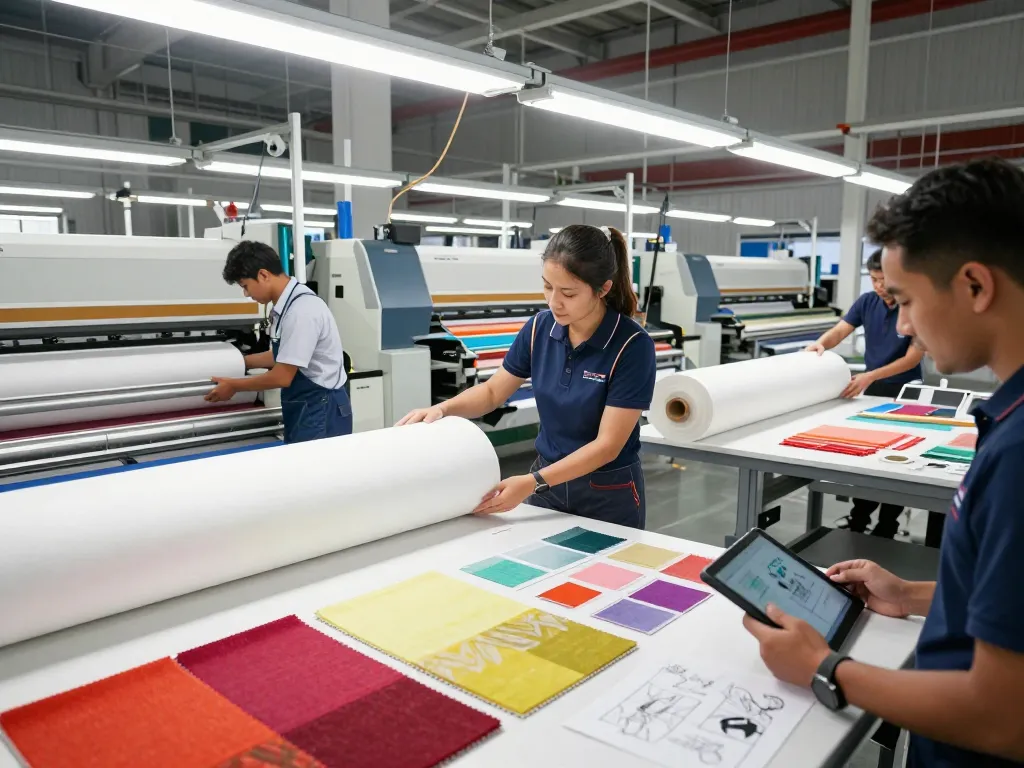
Understanding the Textile Industry Landscape
The textile industry is an ever-evolving sector that significantly influences global economies, culture, and innovation. In 2026, it is anticipated that the landscape will be shaped by several current trends, including sustainability, technological advancements, and shifting consumer demands. Companies like sunwin are at the forefront, harnessing these changes to gain a competitive edge.
Current Trends Impacting Sunwin and Competitors
The textile industry is currently experiencing a strong push toward sustainable practices. Consumers are increasingly prioritizing eco-friendly materials and ethical production processes, prompting manufacturers to adapt their operations. Sunwin, for example, is focusing on organic materials and sustainable sourcing, responding to consumer preferences for responsibly made products.
Another trend is the integration of technology in production. Automation and artificial intelligence are streamlining manufacturing processes, reducing waste, and improving efficiency. Companies that embrace these innovations not only enhance productivity but also can offer higher quality products at competitive prices.
Challenges in Textile Manufacturing Today
Despite the positive trends, the textile industry faces numerous challenges. Supply chain disruptions, exacerbated by global events, have resulted in delays and increased costs for manufacturers. Additionally, the rising cost of raw materials poses a significant concern, compelling companies to re-evaluate their sourcing strategies to maintain profitability.
The competition in the marketplace is fierce, with numerous players striving for differentiation. Businesses must innovate continually, which can be resource-intensive and requires investment in research and development.
Key Innovations Shaping the Future of Textiles
Innovative technologies are transforming textile manufacturing. Smart fabrics, which integrate digital technology into textiles, are gaining traction. These materials can monitor health metrics or adjust to environmental conditions, appealing to tech-savvy consumers.
3D knitting technology is another groundbreaking advancement, enabling the creation of customized products with minimal waste. Sunwin is exploring these avenues to enhance its product offerings and sustainability efforts.
Sunwin’s Commitment to Quality and Sustainability
Sunwin understands that quality and sustainability are not just buzzwords but essential components of its business strategy. The brand’s commitment to both is evident in its manufacturing processes and product offerings.
Implementing Sustainable Practices in Manufacturing
To ensure sustainability, Sunwin has invested in eco-friendly technologies and practices. This includes using renewable energy sources in production, adopting water-saving techniques, and minimizing chemical use. Such practices not only reduce the environmental impact but also appeal to eco-conscious consumers.
Quality Control Measures at Sunwin
Quality control is paramount at Sunwin. The company employs rigorous testing protocols at every stage of production, from raw materials to finished goods. This attention to detail ensures that all products meet international standards and customer expectations.
How Sustainability Enhances Brand Value
By prioritizing sustainability, Sunwin is not only contributing to environmental preservation but also enhancing its brand value. Consumers are increasingly willing to pay a premium for products that align with their values, thereby allowing Sunwin to strengthen its market position.
Technology in Textile Production: A Game Changer
The integration of technology in textile production has revolutionized the industry, enabling companies to streamline operations and enhance product quality.
Integrating Automation in Sunwin’s Processes
Automation has become a critical component of textile manufacturing. Sunwin has adopted automated solutions for processes such as cutting and sewing, which significantly reduces labor costs while increasing accuracy and speed. This transition not only enhances efficiency but also ensures consistent product quality.
Digital Tools for Enhanced Design and Production
Digital design tools are enabling Sunwin to innovate in product development. 3D modeling software allows for rapid prototyping, shortening the time from concept to market. This agility is crucial in responding to changing fashion trends and consumer preferences.
The Role of Data Analytics in Manufacturing
Data analytics plays a significant role in modernizing textile manufacturing. By analyzing production data, Sunwin can identify inefficiencies, forecast trends, and optimize inventory management. This data-driven approach enhances decision-making and supports sustainable practices through reduced waste.
Market Positioning: How Sunwin Stands Out
In a competitive textile market, effective positioning is essential for success. Sunwin has carved out a niche by focusing on quality, sustainability, and innovation.
Identifying Unique Selling Propositions (USPs)
Sunwin’s USPs include its commitment to sustainable practices and high-quality products. The brand’s focus on using organic materials and state-of-the-art technology sets it apart from competitors who may not prioritize these aspects.
Building Relationships with Suppliers and Customers
Strong relationships with suppliers and customers are vital for success in the textile industry. Sunwin collaborates closely with its suppliers to ensure sustainable sourcing while also engaging with customers through feedback mechanisms to enhance product offerings.
Effective Marketing Strategies for 2026
As the market evolves, so too must Sunwin’s marketing strategies. Emphasizing transparency in production, storytelling around sustainability, and leveraging social media to connect with consumers are key tactics for engaging a modern audience.
Future-Proofing: Strategies for Long-Term Success
To remain relevant in the fast-paced textile industry, Sunwin must invest in future-proofing strategies that address changing consumer preferences and market dynamics.
Adapting to Consumer Preferences and Trends
Understanding and anticipating consumer trends is essential. Sunwin utilizes market research to adapt its product lines to meet emerging tastes and preferences, ensuring sustained relevance and customer loyalty.
Investment in Research and Development
Continuous investment in research and development is imperative for innovation. Sunwin is committed to exploring new materials, technologies, and designs, fostering a culture of creativity that drives growth.
Preparing for Changes in Global Trade Dynamics
Global trade dynamics are shifting due to political and economic factors. Sunwin must stay agile, adapting its supply chain and production strategies to mitigate risks associated with trade tariffs, restrictions, and fluctuations in raw material availability.
What key products does Sunwin offer?
Sunwin offers a diverse range of textiles, including home textiles, fashion apparel, and performance wear, catering to various market segments and consumer needs.
How does Sunwin ensure quality in its textiles?
Quality assurance at Sunwin involves multiple testing phases and compliance with international standards, ensuring that each product meets the highest quality benchmarks.
What are the latest technologies Sunwin is using?
Sunwin is leveraging automation, 3D knitting technology, and advanced data analytics to enhance production efficiency and product innovation.
How is Sunwin addressing sustainability in its operations?
Through the implementation of eco-friendly manufacturing processes, sustainable sourcing practices, and renewable energy usage, Sunwin is committed to minimizing its environmental impact.
What trends should we expect in the textile industry by 2026?
By 2026, trends such as increased automation, focus on sustainability, and demand for personalized products will likely shape the textile industry, with companies like Sunwin leading the charge.