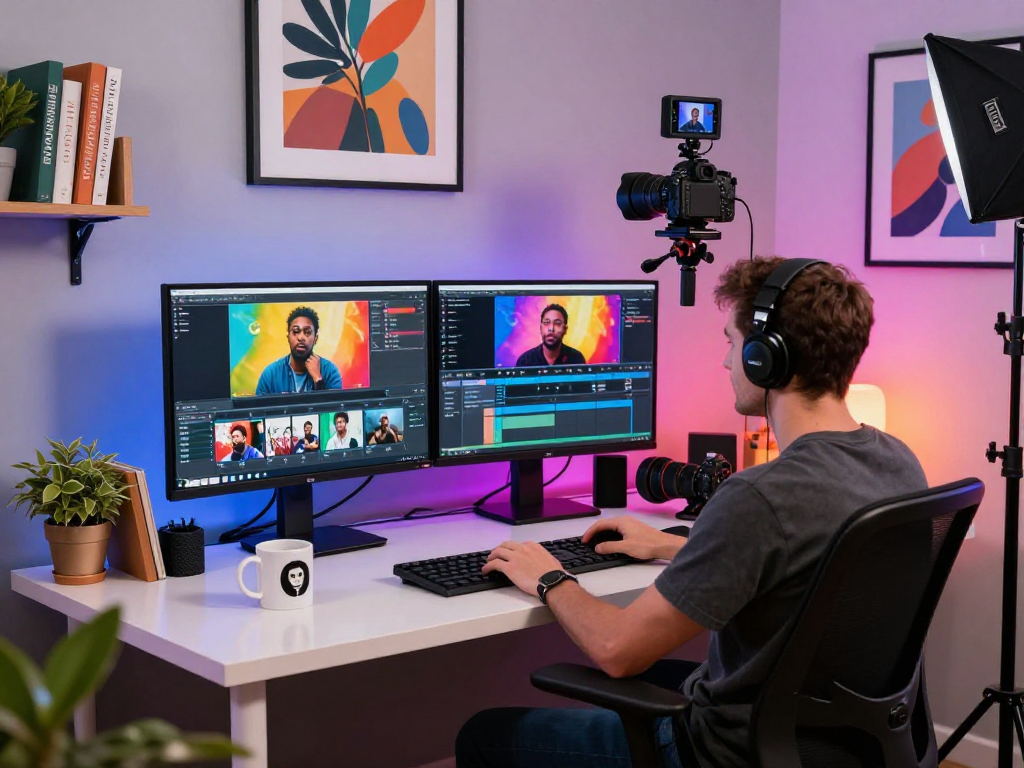
Understanding Online Audio Mastering
What is Online Audio Mastering?
Online audio mastering is the final step in the music production process, where the mixed music tracks are prepared for distribution. This involves a series of technical processes that enhance the overall sound quality, ensuring that tracks sound professional on all playback systems. Utilizing online audio mastering services allows artists, producers, and bands to access expert mastering without needing a traditional studio setup. With advancements in technology, high-quality audio mastering can now be achieved remotely, making it accessible to a wider range of musicians and audio professionals.
The Importance of Professional Mastering
Professional audio mastering is crucial because it significantly impacts the overall presentation of the music. A well-mastered track will not only meet industry standards but also enhance the listening experience. Mastering balances the mixture of frequencies, adds depth and clarity, and ensures consistency across different playback systems. Moreover, professional mastering can help protect the integrity of the music during distribution, ensuring that it sounds as intended, whether streamed online or played on FM radio.
How Does Online Audio Mastering Work?
The process of online audio mastering typically begins with the user uploading their final mixed tracks to the mastering service platform. Once uploaded, the mastering engineer applies various techniques such as equalization, compression, limiting, and finalizing the track's loudness. Many services offer users the ability to choose specific mastering styles or preset preferences. After processing, users can review the mastered tracks and request adjustments if necessary. This iterative approach allows for tailor-made results that fit the artist’s vision.
Key Benefits of Online Audio Mastering
Cost-Effectiveness Compared to Traditional Methods
One of the most significant benefits of online audio mastering is cost-effectiveness. Traditional studio mastering can be prohibitively expensive, requiring payments for both the mastering engineer's time and the studio's rentals. Conversely, online services often offer transparent pricing models, which can accommodate a range of budgets, from independent musicians to label-backed projects. Additionally, many services provide competitive pricing without sacrificing quality, allowing for professional results accessible to all.
Accessibility and Convenience
Accessibility is another prominent advantage of online audio mastering. Artists from any location can upload files from the comfort of their homes or studios. This convenience saves time and reduces the logistical challenges of scheduling studio sessions, making it easier to collaborate with world-class mastering engineers regardless of geographical barriers. Furthermore, many platforms allow for 24/7 access to services, enabling artists to master their tracks at times that suit their schedules.
Time Efficiency in Music Production
Time efficiency is a vital aspect of the music production process that often gets overlooked. With online audio mastering, musicians can typically expect faster turnaround times compared to traditional methods. Most services promise a quick initial mastering, often within a few days, which is especially beneficial for those looking to release music promptly. This speed allows artists to keep pace with digital distribution trends and effectively engage with their audience while minimizing down-time between projects.
Choosing the Right Online Audio Mastering Service
What to Look for in a Service Provider
When selecting an online audio mastering service, several factors should be considered. First, look for a service with experienced and qualified mastering engineers, as their expertise will directly influence your track's quality. Additionally, consider the variety of mastering styles offered; whether you're looking for a specific genre's mastering technique or a more general approach, having options helps align the final product with your artistic vision. User-friendly interfaces and supportive customer service are also critical for a seamless experience.
Understanding Pricing Structures
Pricing structures can vary widely among online audio mastering services, which makes it essential to understand what you’re paying for. Many services offer tiered pricing based on the number of tracks, the level of mastering quality, or additional services such as revisions or delivery formats. It’s advisable to compare these offerings carefully, ensuring you receive value for your investment. Look for transparent pricing without hidden fees or extra charges to avoid unexpected costs.
Reading Reviews and Testimonials
Feedback from previous clients can provide invaluable insights into the quality and dependability of an online audio mastering service. Look for testimonials that highlight specific aspects such as sound quality, turnaround time, and customer support. Engaging with reviews on independent platforms can also give a broader perspective and help gauge the general reputation of the service. This information can help ensure that you select a service provider that aligns with your expectations.
Best Practices for Preparing Your Tracks
Common Mistakes to Avoid
Preparing tracks for online audio mastering requires attention to detail to avoid common pitfalls. One of the most frequent mistakes is submitting files that are not properly mixed, which can lead to unsatisfactory mastering results. Additionally, avoid excessive loudness or dynamic range compression in the mix; mastering engineers will handle these elements. Finally, ensure that your track files are named correctly and organized, making it easier for the mastering team to process your order efficiently.
Optimizing Your Files for Mastering
To optimize your audio files for mastering, ensure that they are exported at the highest quality possible. Typically, this means providing WAV or AIFF files at a sample rate of 44.1 kHz or higher and a bit depth of 24-bit or 32-bit. Additionally, you should leave sufficient headroom in your tracks—aim for an average level around -6 dB to -3 dB—to prevent clipping during the mastering process. Properly naming your files can also streamline the workflow for the mastering engineer.
Gathering Reference Tracks
Reference tracks can be powerful tools in the mastering process. By compiling examples of professionally mastered songs that resonate with your desired sound, you can provide these to the mastering engineer as a guideline. This helps them understand your vision, stylistically and sonically. Ensure your references are comparable in genre and mood, and consider noting specific elements that you wish to emulate—for instance, vocal clarity or bass depth.
Evaluating the Results of Your Online Audio Mastering
How to Listen Critically
After receiving your mastered tracks, critical listening is essential to ensure they're reflective of your artistic intent. Utilize good quality headphones or monitors to hear all frequency ranges accurately. Listen in different environments, such as car speakers or home stereo systems, to gauge the track's performance across platforms. Pay close attention to elements such as balance, clarity, and dynamic range, as these are indicators of the mastering quality.
Using Metrics to Measure Success
To measure the success of your online audio mastering, consider both qualitative and quantitative metrics. You can assess loudness levels using tools like LUFS meters to ensure your track meets industry standards. Analyze frequency balance through spectrum analyzers to avoid problematic frequencies that can lead to poor playback on various systems. Collect feedback from peers and listeners, as external opinions can provide additional valuable insights.
Iterating on Feedback for Perfect Mastering
Feedback is an integral part of the mastering process. Don’t hesitate to request revisions if the initial results don’t meet your expectations. Provide clear, specific feedback to the mastering engineer outlining any issues or desired changes. Whether it’s about the vocals being too muted or the need for more bass response, clear communication helps ensure that the final product aligns with your vision. Iterating this process until you’re fully satisfied is crucial for achieving the perfect mastered track.
FAQs About Online Audio Mastering
What is the typical turnaround time for online audio mastering?
Turnaround times can vary but typically range from 24 hours to a few days, depending on the service and demand. Some services may offer expedited options for urgent projects.
Can I request revisions after the initial mastering?
Yes, most online audio mastering services allow for revisions. This ensures that the final track aligns with your artistic vision and quality standards.
Do I need to have my tracks mixed before mastering?
Yes, tracks should be professionally mixed before mastering, as the latter process is designed to polish and finalize already mixed material.
What file formats should I use for mastering?
WAV or AIFF files are preferred for mastering. They should be exported at a sample rate of 44.1 kHz or higher and a bit depth of 24-bit or 32-bit.
Is online audio mastering suitable for all music genres?
Yes, online audio mastering is suitable for all music genres. Many services offer mastering styles tailored to specific genres to meet varying sonic needs.