
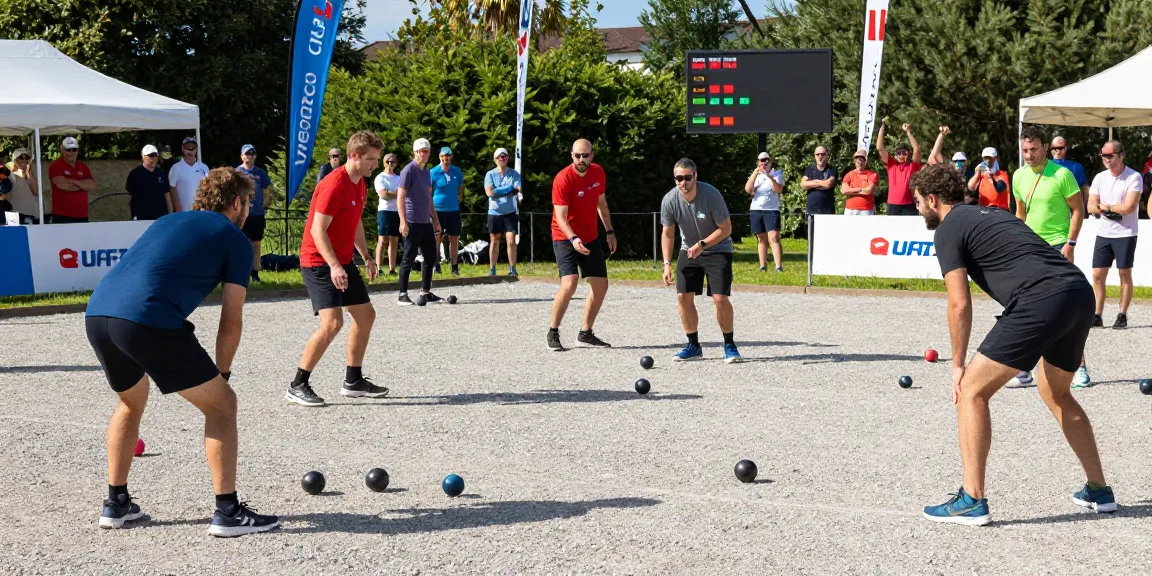
Understanding the Basics of Petanque
Petanque is not just a game; it’s a vibrant sport that spans cultures and continents. As a member of the international petanque community, the FOPI KOTA PALU plays a crucial role in promoting and developing this captivating game in Indonesia. To truly appreciate the depth and structure of petanque, it’s essential to grasp its history, rules, and equipment.
History and Origins of Petanque
The origins of petanque trace back to France, where the game evolved from the earlier sport of boules. The exact timeline of petanque’s introduction to Indonesia remains uncertain, as there have been no comprehensive studies on the subject. However, it’s widely acknowledged that expatriates from France were pivotal in establishing petanque in Indonesia. Regions such as Jakarta, Lombok, Yogyakarta, and Bali became the early hubs for petanque enthusiasts, often coinciding with French-managed establishments like the Novotel in Kuta and the Horizon Hotel in Ancol. Historical references point to a significant figure, Eddie Lim, who learned the game in the 1990s at Ancol, Jakarta, and later contributed to its spread in Singapore.
The Basic Rules and Regulations
Understanding the rules of petanque is vital to enjoying the game. Typically, petanque is played with two teams, each composed of one to three players. The objective is to throw metal balls as close as possible to a small wooden ball known as the “cochonnet.” Each player takes turns throwing their balls, with points awarded based on proximity to the cochonnet when all balls have been thrown. Familiarizing yourself with the official rules set by organizations like the FOPI ensures a fair and engaging experience during matches.
Equipment Needed for Petanque
To play petanque, you’ll need specific equipment designed to enhance your gameplay experience. Essential items include:
- Petanque balls: These metallic spheres vary in weight and size, catering to different player preferences.
- Cochonnet: The small wooden target ball is crucial for gameplay.
- Measuring tape: This tool is important for determining which ball is closest to the cochonnet when the scoring is in question.
- Comfortable shoes: While not mandatory, proper footwear can improve stability during throws.
Benefits of Playing Petanque
Engaging in petanque offers more than just competitive thrills; it promotes numerous physical and mental benefits. The sport encourages a sense of community and personal engagement, making it an excellent choice for individuals of all ages.
Physical and Mental Health Advantages
Playing petanque involves physical activity that can enhance coordination, balance, and strength. Regular participation improves cardiovascular health and promotes flexibility. Moreover, the mental challenges involved in strategizing during gameplay stimulate critical thinking and problem-solving skills, contributing to overall cognitive health.
Social Skills and Community Building
Petanque is inherently a social sport, facilitating connections among players. Whether in a casual match or an organized event, players often form friendships that extend beyond the game. This social interaction nurtures community bonds and fosters a sense of belonging.
Personal Enjoyment and Recreational Value
Ultimately, petanque is a source of fun and enjoyment. It serves as a recreational outlet, allowing players to unwind and enjoy time with friends and family. Its inclusive nature means that players of varying skill levels can participate and experience the joy of competition.
Techniques for Improving Your Game
To excel in petanque, players must develop specific skills and techniques that refine their gameplay. Understanding these techniques helps players gain a competitive edge in both casual and formal settings.
Mastering the Throwing Techniques
The throwing technique is fundamental in petanque. Players can use various styles, including the “point” throw aimed at getting close to the cochonnet and the “shoot” aimed at knocking an opponent’s ball away. Practicing these techniques allows players to adopt the style that best suits their strengths.
Strategies for Scoring Points Effectively
Understanding the dynamics of the game is crucial for scoring effectively. Players should assess their position in relation to the cochonnet and adapt their strategy accordingly. Close teamwork and communication with teammates can vastly improve scoring opportunities.
Analyzing Opponents and Gameplay
Observing opponents’ strategies and adapting to their playing styles can significantly affect match outcomes. Learning to read opponents can inform your decisions on when to play defensively or aggressively, allowing for a more strategic approach to the game.
Organizing and Participating in Local Events
For those looking to immerse themselves in the petanque community, participating in local events organized by groups like the FOPI KOTA PALU is an excellent way to engage. These events not only promote competition but also encourage community bonding.
How to Register for Competitions
Registering for petanque competitions typically requires contacting your local petanque federation or organization. The FOPI KOTA PALU frequently hosts events where interested individuals can sign up to showcase their skills and meet fellow enthusiasts. Additionally, checking the federation’s website, fopikotapalu.org, provides essential information on upcoming competitions and registration procedures.
Connecting with the FOPI KOTA PALU Community
Joining the FOPI KOTA PALU community offers numerous advantages, including access to training resources, networking opportunities with experienced players, and participation in workshops. Engaging with this community can also inspire personal growth and improvement in gameplay.
Event Planning Tips for Successful Tournaments
For those interested in organizing events, ensuring a well-structured tournament is paramount. Key factors include choosing an accessible location, securing necessary permits, and promoting the event through social media and local networks to attract participants. Additionally, providing clear rules and guidelines will enhance participants’ experience and help maintain competitive fairness.
The Future of Petanque in Indonesia
With the increasing popularity of petanque in Indonesia, the sport’s future looks promising. The potential for growth can be linked to several emerging trends and opportunities within the country.
Emerging Trends in Petanque Sports
The integration of technology in sports, including petanque, has opened new avenues for training and competition. Digital platforms can assist players in tracking their progress, while virtual tournaments allow for broader participation beyond geographical limitations.
Potential Growth and Opportunities
As petanque continues to gain traction, opportunities for sponsorships and partnerships with local businesses are arising. This growth will likely lead to increased funding for training programs and facilities, promoting the sport further among youth and aspiring athletes.
Expectations for the 2026 SEA Games
With Indonesia hosting the upcoming 2026 SEA Games, petanque will play a central role in showcasing local talent. Anticipation is building around this opportunity to elevate the sport’s profile nationally and internationally, potentially inspiring a new generation of players.
What is the role of FOPI KOTA PALU?
The FOPI KOTA PALU serves as the official governing body for petanque in the region, overseeing competitions, training, and community engagement to promote this enriching sport.
How can beginners start playing petanque?
Beginners can start playing petanque by joining local clubs, participating in beginner-friendly events, and practicing regularly to build their skills and confidence.
What are the most common misconceptions about petanque?
Many people mistakenly see petanque as only a leisurely activity for older adults. In reality, it is a multifaceted sport enjoyed by people of all ages and skill levels.
What competitions are held by FOPI KOTA PALU?
FOPI KOTA PALU organizes various competitions, including local tournaments, regional championships, and participation in national events to foster competitiveness and skill development.
How does petanque benefit community engagement?
Petanque serves as a unifying activity, bringing together individuals from diverse backgrounds, fostering friendships, and enhancing community spirit through shared experiences.