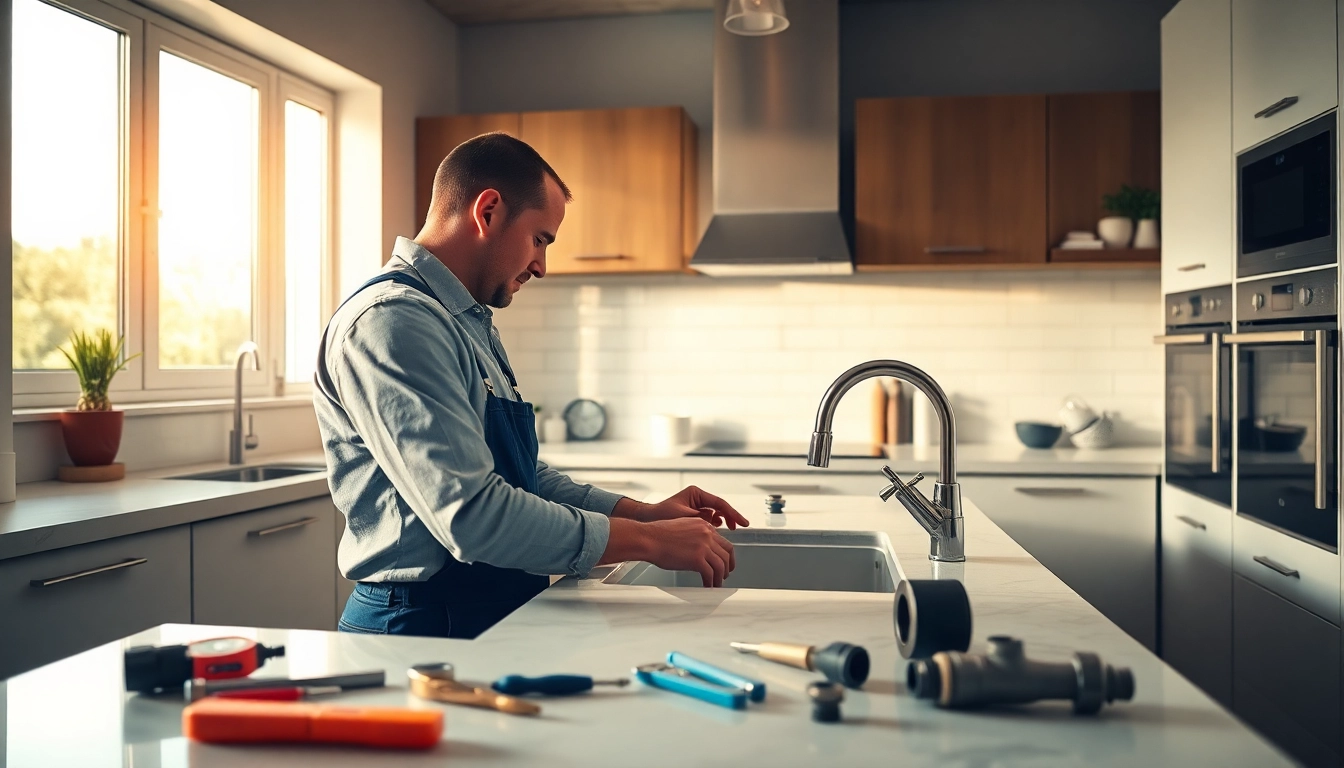
Understanding the Role of a Plumber near me
When the plumbing issues arise, the search for a Plumber near me starts. Understanding the crucial role that plumbers play in our daily lives not only emphasizes the need for their services but also aides in identifying how they can help in various situations. From routine maintenance to emergency repairs, the plumbing profession encompasses a wide range of tasks that are essential for the proper functioning of any building.
What Does a Plumber Do?
Plumbers are skilled professionals trained to install, repair, and maintain piping systems and fixtures. They tackle a variety of duties including:
- Installation of new plumbing systems in homes and businesses
- Repairing broken pipes, faucets, and toilets
- Clearing clogged drains and sewage systems
- Performing routine maintenance checks to prevent future issues
- Installing appliances that use water, such as dishwashers and water heaters
In essence, plumbers ensure that our water supply is safe, efficient, and properly managed. Without their expertise, our daily lives would face significant interruptions due to plumbing problems.
Common Plumbing Services Offered
There is a broad spectrum of services that a plumber can provide, and understanding them can help you pinpoint the assistance needed:
- Drain Cleaning: Over time, debris can accumulate, clogging your drains. Plumbers use specialized tools to clear these blockages.
- Leak Detection and Repair: Small unnoticed leaks can lead to significant damage. Plumbers can locate and fix leaks before they become destructive.
- Water Heater Installation and Repair: Maintaining a consistent hot water supply is crucial; plumbers can both install and troubleshoot hot water systems.
- Toilet and Faucet Installation: Upgrading to more efficient fixtures can save water and lower bills. Plumbers handle installation and ensure proper functioning.
- Emergency Plumbing Services: Many plumbing issues require immediate attention. Professional plumbers are available around the clock for urgent problems.
The Importance of Professional Plumbing
Hiring a professional plumber is not just about fixing leaks or unblocking drains. The advantages of utilizing their expertise include:
- Expertise: They possess knowledge of advanced plumbing techniques and state-of-the-art tools that ensure efficient repairs.
- Compliance: Professional plumbers adhere to codes and regulations, ensuring that your plumbing installation is safe and up to standard.
- Long-Term Savings: While hiring a plumber may seem costly initially, their skill often prevents more expensive repairs down the line.
- Peace of Mind: Knowing that qualified professionals handle your plumbing needs alleviates stress associated with plumbing emergencies.
How to Choose the Right Plumber near me
Finding the right plumber is essential to ensure quality workmanship and customer service. Here are some detailed steps to guide you in your search.
Researching Local Plumbing Services
The first step in choosing a plumber involves research. Start by:
- Looking for plumbing services in your area online, focusing on websites that detail their services, experience, and specializations.
- Checking local business directories for plumbers who have a presence in your community.
- Letting local hardware stores or home improvement centers recommend reputable plumbers they know.
Read Reviews and Ratings
Once you've compiled a list of potential plumbers, it's important to evaluate their reputation. Consider:
- Reading online reviews on platforms like Google, Yelp, or Angie's List to gauge customer satisfaction.
- Paying attention to common themes in reviews, such as punctuality, quality of work, and customer service.
- Checking how plumbers handle complaints; a professional plumber should display willingness to resolve issues.
Ask for Recommendations
Word-of-mouth is a powerful tool. Here’s how to leverage it effectively:
- Asking friends, family, or neighbors if they can recommend plumbers they have used in the past and had a positive experience with.
- Joining local social media groups where you can ask for suggestions or feedback on local plumbing services.
- Checking with real estate agents, who often have contacts with trusted plumbers.
Cost Factors for Plumbing Services
Understanding the costs associated with plumbing services can prevent unexpected expenses. Below are key aspects influencing this cost.
Understanding Pricing Structures
Plumbing services typically charge in different ways, including:
- Flat Rate Fee: You’ll pay a predetermined amount for specific jobs, regardless of time spent.
- Hourly Rate: The plumber charges for the actual time spent on your project, often plus materials needed.
- Service Call Fee: This fee is charged to cover the plumber’s travel expenses and initial assessment.
Common Fees and Charges
Some of the most common costs you might encounter include:
- Emergency service fees, which may be higher during weekends or holidays
- Costs for purchasing new fixtures or equipment
- Potential disposal fees for old appliances or materials
Tips for Getting Quotes
To ensure you receive fair pricing, follow these tips:
- Request multiple estimates from different plumbers to compare costs effectively.
- Review what each quote covers; ensure no hidden fees are involved.
- Inquire about warranties or guarantees for the work performed.
Preparing for Your Plumbing Appointment
Proper preparation can enhance your experience and ensure efficient execution of plumbing work. Here’s what you need to know.
What to Expect During a Visit
During a plumbing visit, expect the plumber to assess the problem systematically:
- They will inspect the area, often asking questions about the issue and any symptoms you’ve noticed.
- After diagnosis, they will explain possible solutions, pricing, and estimated timelines.
- In many cases, repairs or replacements will begin immediately, contingent on your approval.
Questions to Ask Your Plumber
To engage effectively with the plumber, consider asking:
- What is the cause of the problem, and how can it be prevented in the future?
- How long do you anticipate the repairs will take?
- What warranties do you offer on the work completed?
How to Identify Plumbing Problems
Being proactive about plumbing issues can save significant trouble. Look for:
- Low water pressure or unexpected changes in pressure
- Discoloration in running water, which may indicate rust or sediment buildup
- Unpleasant odors around drains or fixtures
Maintaining Your Home’s Plumbing System
Regular maintenance is key to avoiding costly repairs. Here are effective strategies to implement.
Simple Plumbing Maintenance Tips
Minor routine steps can keep plumbing systems running smoothly:
- Inspect visible pipes for leaks or rust.
- Flush the water heater regularly to remove sediment buildup.
- Clear drains using natural cleaners or a mixture of vinegar and baking soda monthly.
When to Schedule Regular Inspections
Scheduling routine inspections can lead to early detection of issues. Consider an annual checkup or after major renovations.
Emergency Plumbing: How to Handle Urgent Issues
Sometimes, plumbing issues arise unexpectedly. In emergencies:
- Shut off the main water supply to prevent further damage.
- Keep a list of reliable plumbers for quick access during urgent situations.
FAQs:
What should I do if I have a plumbing emergency? Call a local plumber immediately to prevent damage. Make sure to identify the issue first.
How can I avoid plumbing problems? Regular maintenance and inspections can help spot issues before they escalate. Keep drains clear of debris.
How do I find a reliable plumber near me? Look for reviews online, ask for recommendations, and verify credentials before hiring.
What is the average cost of plumbing services? Costs vary widely; expect to pay for the service fee, cost of materials, and labor. Always get quotes.
Are plumbing warranties worth it? Yes, warranties can save money on repairs and provide peace of mind about workmanship.