
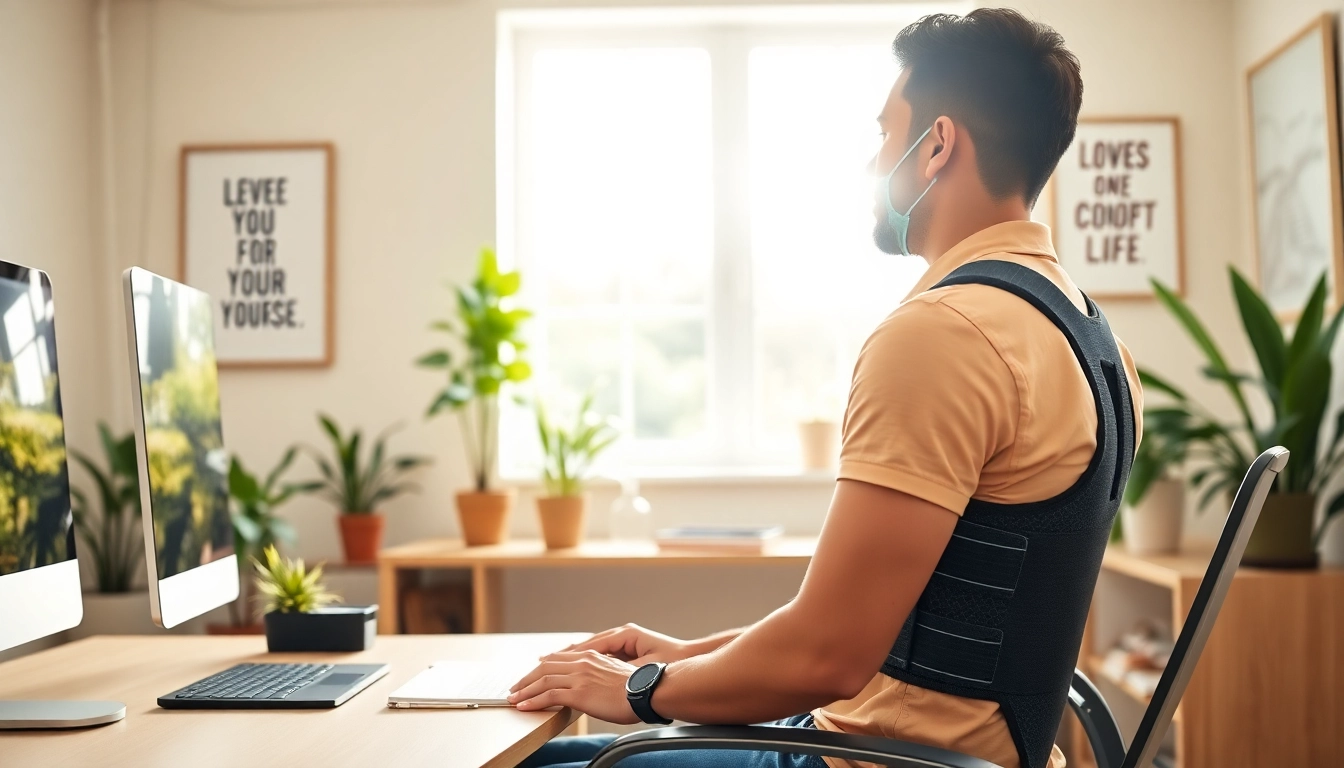
Understanding Posture Corrector
What is a Posture Corrector?
A posture corrector is a device designed to support and improve bodily posture. Using a combination of straps and materials, it gently aligns and stabilizes the shoulders, back, and neck, encouraging the wearer to maintain an upright posture. This tool serves individuals who spend prolonged periods sitting, often leading to slouched postures. The corrector helps counteract these negative habits, thus promoting better health outcomes.
How a Posture Corrector Works
Posture correctors function by applying gentle pressure on the upper back and pulling the shoulders back to their optimal alignment. The pressure is adjustable, allowing users to find the most comfortable fit while promoting spinal alignment. This device works in conjunction with the muscle memory of the user, guiding them to adopt better posture even without the corrector. Over time, consistent use can lead to improved muscle strength and reduced tension in the back and neck.
Benefits of Using a Posture Corrector
Using a posture corrector can yield numerous benefits beyond mere alignment. Individuals may experience:
- Reduced Pain: Chronic back and neck pain often linked to poor posture can significantly decrease with regular corrector use.
- Enhanced Confidence: Standing tall can boost self-esteem and project assurance in social and professional settings.
- Improved Breathing: Proper posture opens up the chest cavity, allowing for deeper and more effective breathing.
- Increased Focus: A well-aligned posture can improve cognitive function and concentration, enhancing productivity.
Choosing the Right Posture Corrector
Different Types of Posture Correctors
When selecting a posture corrector, it’s crucial to understand the various types available:
- Clavicle Brace: This type stabilizes the shoulders while keeping the back straight, ideal for those with rounded shoulders.
- Back Support Belts: These devices typically wrap around the waist and provide lumbar support, beneficial for individuals with lower back pain.
- Shoulder Straps: Designed for daily wear under clothing, these straps focus on shoulder retraction and spinal alignment.
- Combination Devices: Some posture correctors incorporate both back and shoulder support for comprehensive alignment.
Factors to Consider When Buying
To find the most suitable posture corrector, consider the following factors:
- Size and Fit: Ensuring the corrector fits well is vital for effectiveness and comfort. Measure your body accurately and consult size charts.
- Material: Breathable and flexible materials enhance comfort, especially for extended use. Choose fabric that won’t irritate the skin.
- Adjustability: A posture corrector should allow for adjustments, so users can modify the tension as needed.
- Ease of Use: Consider how easily the device can be put on and taken off, particularly if it will be used frequently.
- User Reviews: Evaluating the experiences of other users provides insights into effectiveness and comfort levels.
Reviews and Recommendations
While individual preferences vary, numerous reviews highlight the effectiveness of certain posture correctors. Most users recommend starting with a corrector that offers both shoulder and back support for more comprehensive alignment. It’s often suggested to select a corrector endorsed by physical therapists, as they are more likely to align with best practices for posture correction.
Implementing a Posture Corrector in Daily Life
How to Wear a Posture Corrector Properly
To gain the full benefits of a posture corrector, proper usage is essential:
- Put on the posture corrector like an article of clothing, either over or under other garments, as recommended.
- Adjust the straps to ensure a snug fit without excessive tightness; it should feel supportive, not restrictive.
- Wear it for short periods initially, gradually increasing usage to prevent muscle fatigue.
Integrating into Work Routine
Incorporating a posture corrector into your work routine can be seamless:
- Start by wearing it during specific tasks such as meetings, computer work, or any prolonged sitting.
- Pair its use with ergonomic furniture; an adjustable chair and desk can enhance posture support while providing comfort.
- Regularly take breaks to stand and stretch, promoting movement even while utilizing the corrector.
Combining with Exercises for Better Results
For optimal posture enhancement, combining a posture corrector with targeted exercises is beneficial:
- Strength Building: Engage in exercises that target the back, shoulders, and core to enhance the muscles that support good posture.
- Stretching: Perform stretches that relieve tension in the neck and shoulders, aiding in relaxation and relieving tightness.
- Yoga or Pilates: These practices promote body awareness and alignment, complementing the benefits offered by a posture corrector.
Common Misconceptions about Posture Correctors
Are Posture Correctors Only for Back Pain?
Though they are often associated with alleviating back pain, posture correctors benefit anyone looking to improve their posture regardless of pain issues. They serve as a preventive measure against back problems caused by poor posture, making them useful for a wide range of individuals.
Do They Require Adjustment Period?
Yes, initially wearing a posture corrector may feel strange or uncomfortable. As muscles adjust, users typically find increased comfort over time. Start with short sessions and progressively extend the duration to allow for acclimatization.
Can Anyone Use a Posture Corrector?
Most adults can benefit from posture correctors. However, those with specific medical conditions should consult with a healthcare provider before starting to ensure it’s appropriate for their situation.
FAQs about Posture Correctors
How long should I wear a posture corrector each day?
It’s recommended to start with 15-30 minutes a day and gradually increase use as your body adjusts.
Can a posture corrector improve my overall health?
Yes, it can reduce back pain and improve posture, leading to better overall health and comfort.
Are there specific exercises to do with a posture corrector?
Certain stretches and strength-building exercises can complement its use, enhancing posture enhancement.
Will a posture corrector limit my movement?
A well-fitted posture corrector should support posture without severely restricting normal movement.
How do I clean and care for my posture corrector?
Most posture correctors can be hand-washed with mild soap and air-dried; always check the care label.
Conclusion
Adopting a posture corrector can be a significant first step towards improving your posture and overall health. While it serves as a tool to support alignment, combining its use with conscious efforts to engage in good posture habits, targeted exercises, and regular movement will yield the best results. With patience and the right approach, users can achieve greater comfort, reduced pain, and increased confidence in their daily lives.