Introduction to Canton Attached ADU
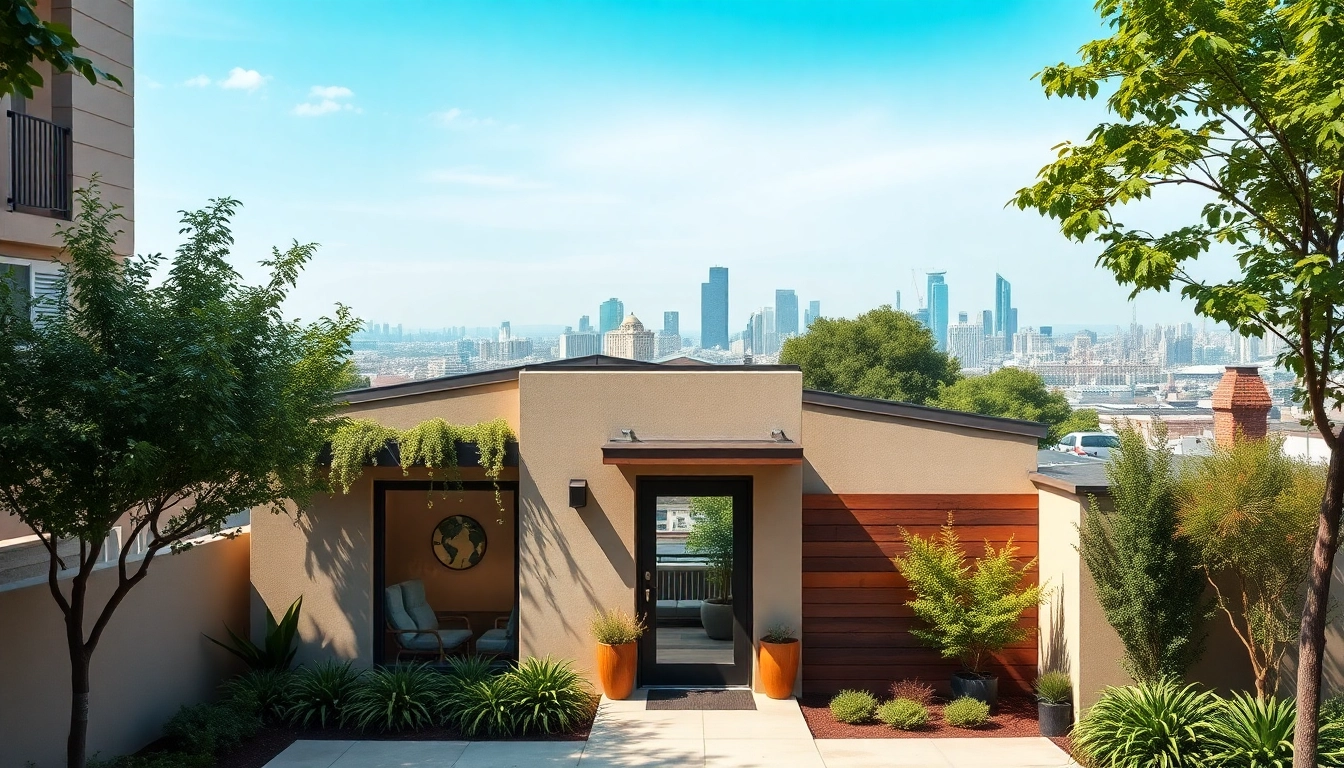
As urban spaces continue to evolve, the demand for functional and versatile living solutions has surged. One innovative response to this need is the concept of Attached Accessory Dwelling Units (ADUs), specifically the Canton Attached ADU. These self-contained living spaces, connected to an existing residence, provide a unique opportunity for homeowners to maximize their property’s value and functionality. In this article, we’ll delve into the many facets of the Canton Attached ADU, exploring benefits, design strategies, legal considerations, financing options, and real-life examples of successful implementations. For deeper visuals and specifics regarding design, check out this Canton Attached ADU.
Understanding Attached ADUs
Attached ADUs are separate living spaces built as an addition to an existing home. Unlike detached units, they share a wall or roof, making them an integral part of the property. This architectural choice not only conserves space but also enhances privacy for occupants. These structures can take various forms, from a small apartment with a kitchenette and full bath to a spacious suite that can accommodate guests or extended family.
Essentially, an Attached ADU serves multiple purposes: it can function as a rental unit, a guest suite, or a space for a family member looking for independence while staying close to their loved ones. This flexibility plays a crucial role in urban living, especially in high-density areas where maximizing property use is essential.
Benefits of Adding a Canton Attached ADU
The advantages of adding a Canton Attached ADU are manifold, making them a smart investment for many homeowners. Below are some key benefits:
- Increased Property Value: Properties with ADUs often appraise higher, providing a return on investment through potential rental income.
- Flexible Living Solutions: Whether accommodating adult children, elderly parents, or guests, an Attached ADU offers versatile living arrangements.
- Additional Income Generation: Homeowners can rent out the space, providing additional monthly income to offset mortgage costs.
- Efficient Use of Space: Attached ADUs allow for more efficient land use, addressing housing shortages in urban areas.
- Enhanced Privacy: These units provide a private living space while remaining close to the main residence, striking a balance between togetherness and independence.
Key Features to Consider
When planning a Canton Attached ADU, it’s important to consider various features that will enhance both functionality and aesthetic appeal. Here are some crucial aspects to keep in mind:
- Size and Layout: The layout should maximize space; open-concept designs often work well in smaller footprints.
- Separate Entrances: Providing a private entrance can enhance the tenant's feeling of independence.
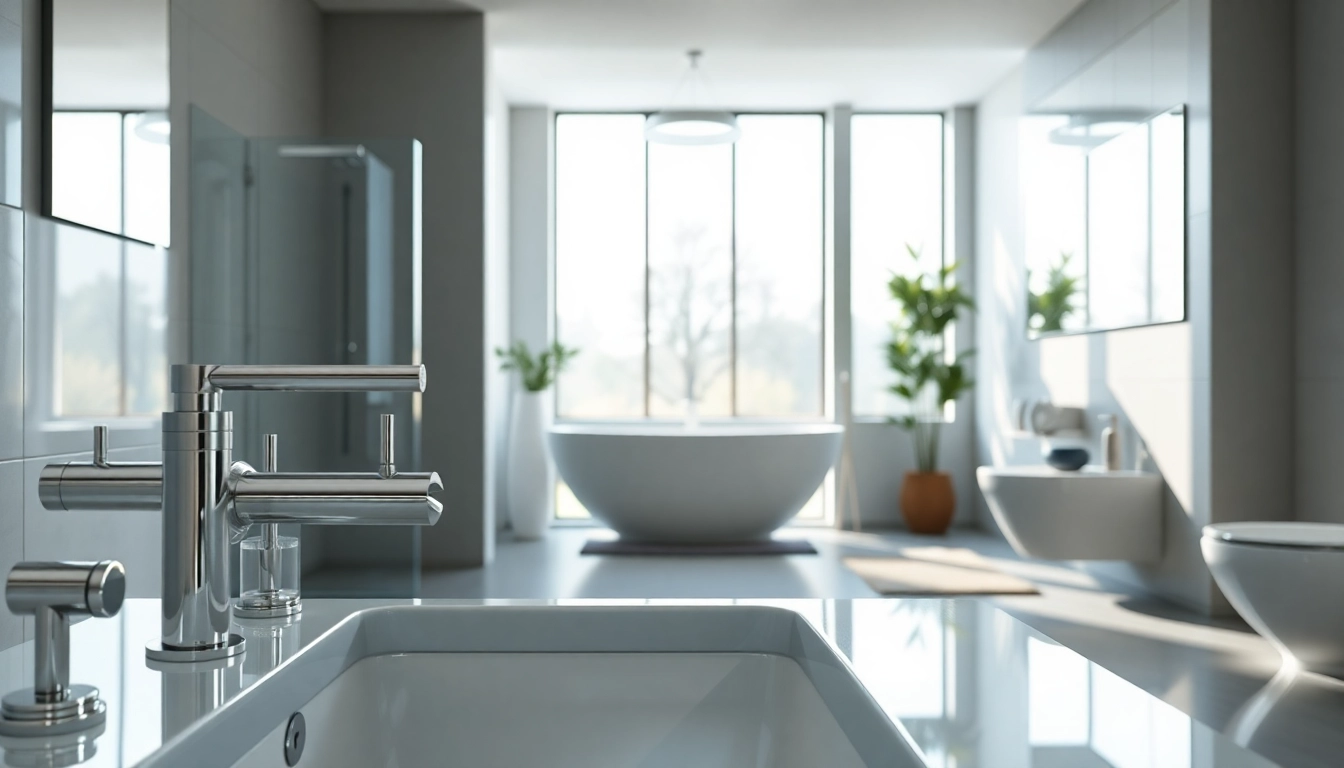
- Kitchen and Bath: Including a full kitchen and bathroom elevates the livability of the space.
- Sustainable Features: Integrating energy-efficient appliances and materials reduces environmental impact and utility costs.
- Outdoor Space: A small patio or garden area can enhance the living experience, providing residents with private outdoor space.
Designing Your Canton Attached ADU
Designing an Attached ADU involves a thoughtful approach that balances functionality, aesthetics, and adherence to local regulations. Here are some essential design considerations:
Functional Layouts for Maximum Space
Opting for functional layouts is critical in maximizing the utility of limited space in an Attached ADU. Open floor plans that combine the living room, kitchen, and dining area can create an illusion of a larger space while ensuring practicality. Incorporating multifunctional furniture, such as a sofa bed or foldable tables, can also be beneficial, enhancing flexibility without compromising on comfort.
Moreover, it's crucial to ensure that the bedroom and bathroom are well-placed, typically located away from the main living areas for privacy. Utilizing vertical space by adding storage solutions like built-in shelves or cabinets can help in maintaining a clean and organized living environment.
Incorporating Sustainable Practices
In today’s eco-conscious world, sustainable architectural practices are more important than ever. For a Canton Attached ADU, consider integrating green building techniques such as:
- Energy-Efficient Appliances: Use Energy Star-rated appliances to reduce electricity consumption.
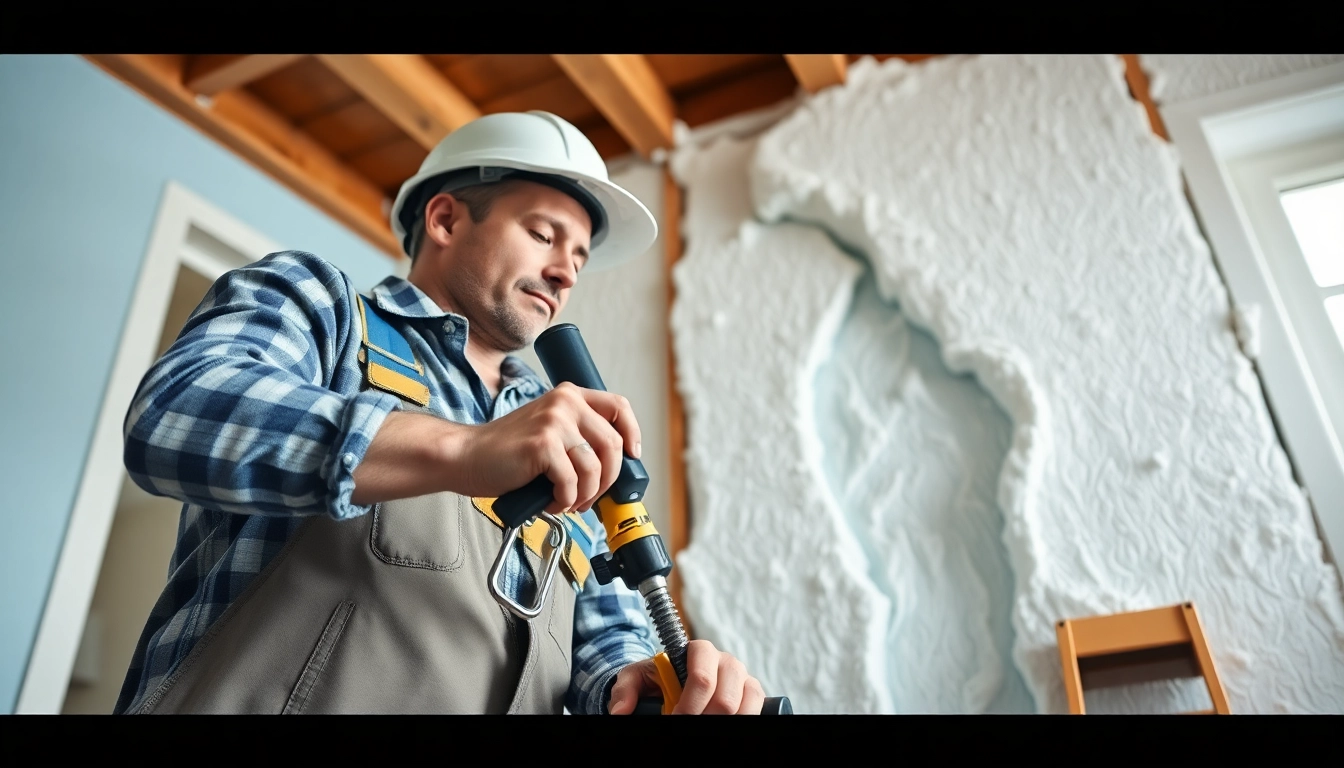
- High-Quality Insulation: Proper insulation helps maintain indoor temperatures and reduces energy costs.
- Sustainable Materials: Opt for recycled or sustainably sourced materials in construction and finishes.
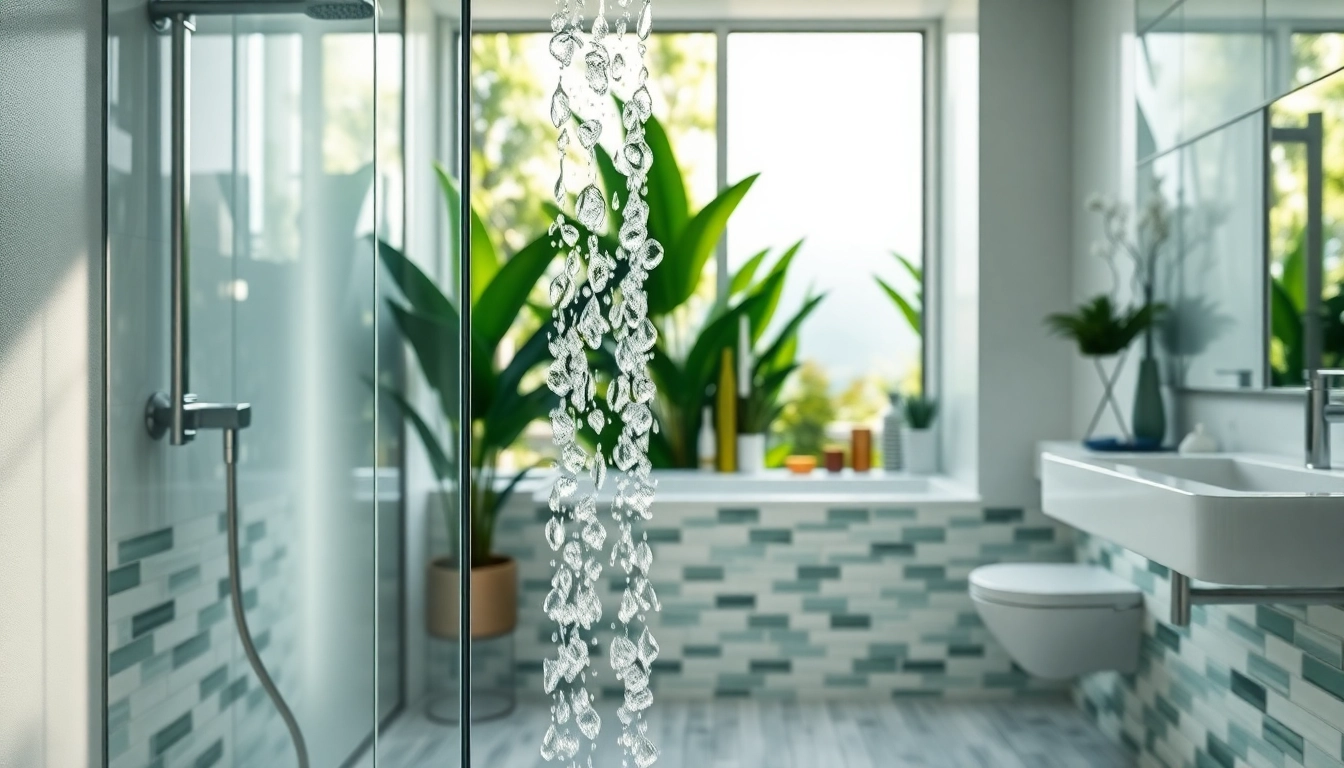
- Water-Conserving Fixtures: Install low-flow faucets and toilets to minimize water usage.
- Solar Panels: If feasible, implementing solar energy can significantly reduce reliance on traditional energy sources.
Choosing the Right Finishes
Selecting appropriate finishes is an integral part of creating an inviting environment within the Canton Attached ADU. Here are some tips:
- Color Palette: Utilize light tones to make small spaces feel larger and more open. Accent colors can add vibrancy and personality.
- Flooring Options: Durable, easy-to-clean materials like laminate or luxury vinyl can withstand wear while remaining visually appealing.
- Custom Cabinetry: Invest in custom cabinetry that maximizes storage and enhances the overall aesthetic.
- Lighting Fixtures: Layered lighting—incorporating ambient, task, and accent lighting—improves functionality and mood.
- Textiles: Select textiles that are both functional and inviting, making the space feel like home.
Regulations and Permitting for Canton Attached ADUs
Before embarking on the journey to build a Canton Attached ADU, it's imperative to familiarize oneself with the regulatory landscape governing such structures. Navigating zoning laws and obtaining the necessary permits is crucial for a successful project.
Navigating Zoning Laws
Zoning laws dictate what can be built in specific areas and can vary significantly from one municipality to another. Homeowners should first consult their local zoning office to understand what regulations apply to them. Some common zoning considerations include:
- Minimum Lot Sizes: Some areas require a minimum lot size for attached units.
- Setback Requirements: Regulations may specify how far an ADU should be from property lines.
- Height Restrictions: There could be limitations on how tall the unit can be in relation to the main residence.
- Usage Restrictions: There may be restrictions on whether the ADU can be rented out or must be occupied by family members.
Permitting Process Simplified
Obtaining the right permits is a crucial step in the construction process. The permitting journey typically involves several steps, including:
- Submit Plans: Prepare and submit architectural plans to the local building department for review.
- Obtain Approvals: Wait for necessary approvals, which may involve a hearing or meeting with local planners.
- Building Permit: Once plans are approved, apply for a building permit before commencing construction.
- Inspections: Throughout the build, schedule inspections to ensure compliance with safety and building codes.
Common Pitfalls to Avoid
While navigating regulations and permitting can be complicated, being aware of common pitfalls can help avoid costly delays:
- Neglecting Research: Failing to thoroughly research zoning laws can lead to rejected permits.
- Inadequate Planning: Skimping on design plans may result in non-compliance with local codes.
- Poor Communication: Staying in touch with local officials throughout the process minimizes misunderstandings.
Financing Your Canton Attached ADU
Financing can often be one of the more daunting aspects of planning a Canton Attached ADU. Fortunately, there are several options available to help bring your vision to life.
Budgeting for Construction
Establishing a comprehensive budget is the first step in financing your Attached ADU. Here are key considerations to include in your budget:
- Construction Costs: Estimate costs for labor, materials, permits, and inspections.
- Design Fees: Budget for professional design services to develop plans that meet your vision and regulatory requirements.
- Contingency Funds: Set aside 10-15% of your budget for unexpected expenses that may arise during construction.
Financing Options Explained
Several financing avenues can facilitate the construction of a Canton Attached ADU:
- Home Equity Loans: Borrowing against your home equity can provide funds at lower interest rates.
- Construction Loans: These short-term loans are specifically designed for financing home building projects.
- Renovation Mortgages: Some mortgage plans allow for the inclusion of renovation costs in the overall mortgage amount.
- Grants and Incentives: Research local and federal grant programs supporting ADU construction
Maximizing Property Value
Constructing a Canton Attached ADU can significantly enhance property value, especially with thoughtful design and adherence to local trends. To maximize value, consider:
- Quality Over Quantity: Focus on high-quality materials and finishes that will appeal to future buyers or renters.
- Market Needs: Conduct research to ensure the unit meets local housing demands—think about amenities potential tenants might desire.
- Maintenance Considerations: Design the ADU with easy-to-maintain features and finishes to attract long-term tenants.
Real-life Examples and Inspiration
Looking at successful instances of Canton Attached ADUs can provide valuable insights for your own project. Here, we discuss case studies and testimonials from individuals who have embarked on similar undertakings.
Successful Canton Attached ADU Case Studies
Several homeowners have successfully converted their properties into Attached ADUs, each serving unique purposes:
- The Family Suite: One homeowner converted an unused section of their garage into a separate suite for their aging parents, complete with a small kitchenette and bathroom.
- Rental Income: Another couple added a one-bedroom ADU adjacent to their home, generating a steady rental income that has eased their mortgage burden.
- Guest Space: A family built a bright and airy ADU for visiting relatives, infusing additional value during holidays and family gatherings.
User Testimonials and Experiences
Homeowners have expressed enthusiasm over the financial and lifestyle benefits of their Canton Attached ADU projects. Common themes from testimonials include:
- Increased Flexibility: Many users note better family dynamics due to the independence provided by a separate living space.
- Financial Relief: Homeowners have praised the rental income generated from their ADUs, which contributes positively to their financial stability.
- Quality of Life: Users appreciate having dedicated spaces for work or guest accommodation, enhancing overall lifestyle quality.
Visual Inspiration and Design Ideas
Design inspiration can be found abundantly in the existing world of Attached ADUs. Consider browsing architectural websites or local galleries for visual stimulation. Some common design elements to consider include:
- Modern Minimalism: Clean lines and bright interiors create an inviting ambiance.
- Natural Materials: Wood and stone finishes provide warmth and organic appeal.
- Indoor-Outdoor Flow: Designs that facilitate easy transition between indoor and outdoor spaces are often preferred.
FAQs
What is a Canton Attached ADU?
A Canton Attached ADU is a secondary living space connected to a primary residence, offering increased flexibility and functionality.
Do I need a permit for a Canton Attached ADU?
Yes, permits are typically required for construction; it's crucial to check local zoning laws and regulations.
How can a Canton Attached ADU add value?
A well-designed ADU can enhance property value by providing additional living space or rental opportunities.
What are the design considerations for a Canton Attached ADU?
Key factors include layout optimization, sustainable materials, and adherence to local building codes.
Can I finance a Canton Attached ADU?
Yes, various financing options exist, including home equity loans and renovation mortgages, to support your project.