Understanding Vibration Control
Introduction to Vibration Control Concepts
Vibration control is a critical aspect of engineering and design, ensuring the safety, performance, and longevity of various structures and machinery. It encompasses techniques aimed at reducing, isolating, and managing vibrations that can lead to damage, discomfort, or inefficiency. By implementing effective Vibration Control strategies, industries are better equipped to handle the negative effects of vibrations, ultimately enhancing productivity and safety.
Importance of Vibration Control in Various Industries
The significance of vibration control varies considerably across industries. In construction and civil engineering, for instance, uncontrolled vibrations may compromise the integrity of structures or disturb nearby operations. In automotive engineering, excessive vibrations can reduce the lifespan of components and adversely affect performance. Similarly, in manufacturing, improper vibration management can lead to machinery breakdowns, resulting in downtime and loss of revenue.
Moreover, sectors like aerospace, telecommunications, and healthcare also rely heavily on vibration control. By mitigating unwanted vibrational forces, these industries can ensure equipment operates as intended, maintain high-quality standards, and protect sensitive instruments and patients alike.
Key Terminology in Vibration Control
- Vibration Isolation: Techniques used to prevent the transmission of vibrations from one medium to another.
- Damping: The process through which vibrational energy is dissipated as heat.
- Resonance: The amplification of vibrations which occurs when the frequency of an external force matches the natural frequency of the system.
- Frequency Response: The measure of how a system responds to different frequencies of input vibrations.
Common Challenges in Vibration Control
Poor Measurement Techniques
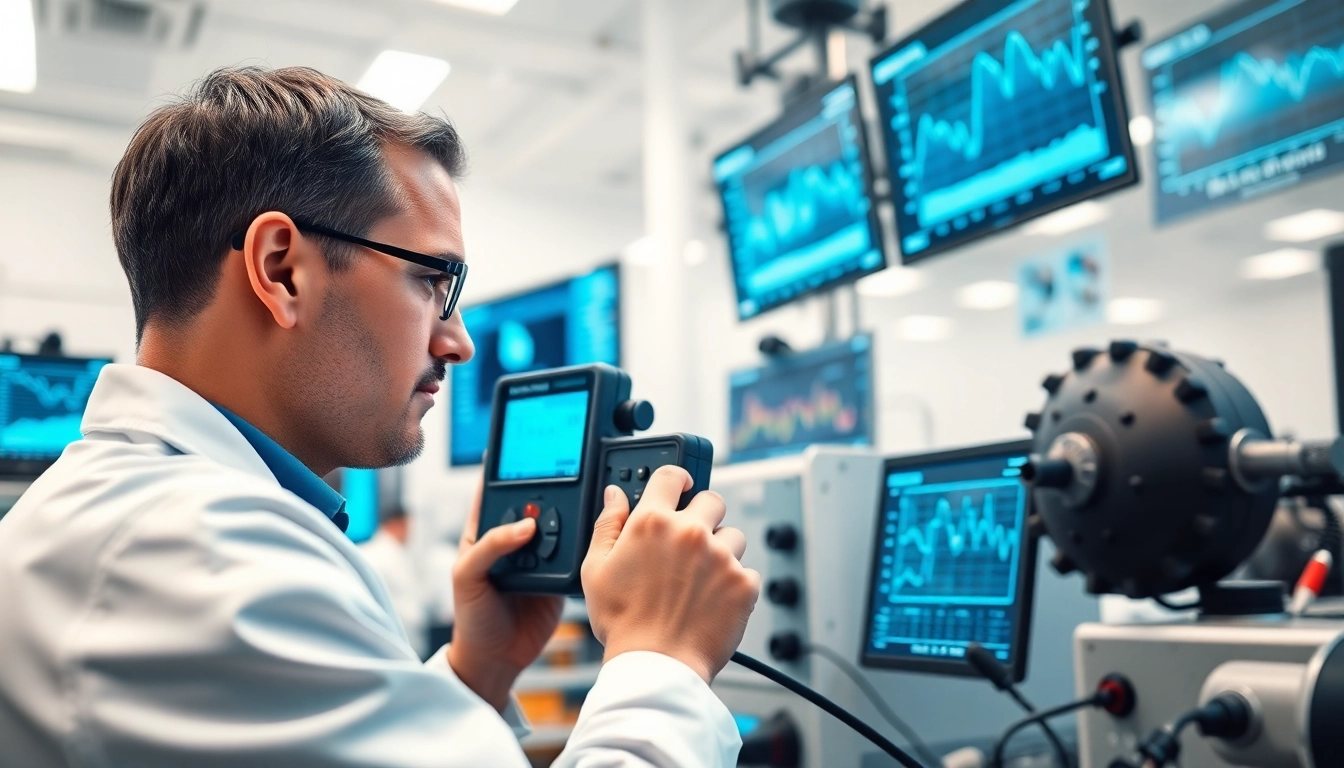
One of the primary challenges in vibration control is ineffective measurement techniques. Accurate vibration measurements are crucial for analyzing and designing control solutions. Using subpar sensors can result in misleading data, leading to incorrect conclusions and ineffective solutions. To overcome this, it is essential to employ high-quality sensors that can accurately capture the vibrational profile of a system.
Environmental Factors Affecting Vibration Control
Environmental conditions such as temperature fluctuations, humidity, and external oscillations can significantly influence vibration control systems. For instance, changes in temperature can affect materials’ elasticity, altering their responses to vibrations. Therefore, monitoring environmental conditions and integrating controls that adapt to these changes can enhance performance.
Device Limitations in Vibration Control Systems
Vibration control devices such as mounts, pads, and isolators have inherent limitations. A common issue is the misapplication of these devices due to a lack of understanding their operational limits. Additionally, some devices may not perform optimally under high load conditions or varying frequencies. Addressing this entails selecting the right control systems tailored to specific applications and conducting regular performance reviews.
Best Practices for Implementing Vibration Control Strategies
Choosing the Right Equipment for Vibration Control
Selecting appropriate equipment is critical for effective vibration control. This involves evaluating the specific needs of the application, including the type of vibrations, the magnitude, and the sensitivity of adjacent structures. Key equipment options include vibration isolators, dampers, and vibration sensors, each chosen based on performance metrics and operational demands.
Regular Maintenance and Monitoring
Establishing a routine maintenance schedule is essential for the longevity and effectiveness of vibration control systems. Regular checks help identify issues such as wear and tear on isolators or changes in environmental conditions that might affect performance. Additionally, continuous monitoring provides real-time data that allows for proactive measures, preventing potential failures.
Leveraging Technology for Enhanced Vibration Control
Advancements in technology have significantly improved vibration control solutions. The integration of smart sensors and IoT devices facilitates the collection of comprehensive data sets that can be analyzed for predictive maintenance. Furthermore, sophisticated algorithms can optimize control strategies, dynamically adjusting systems to mitigate vibrations more effectively.
Case Studies: Successful Vibration Control Applications
Industrial Vibration Control Solutions
In the industrial sector, companies have successfully implemented vibration control systems that have drastically reduced operational disruptions. For instance, a manufacturing plant dealing with extensive machinery vibrations implemented advanced isolation techniques, leading to a notable decrease in machine wear and an increase in operational efficiency.
Vibration Control in Automotive Engineering
Automotive manufacturers adopt vibration control technologies to enhance vehicle performance and comfort. Case studies show that integrating specialized dampers within vehicle structures has led to improved ride quality, reduced cabin noise, and extended lifespan for components, all while maintaining compliance with safety regulations.
Research and Development in Vibration Control
Academic and corporate research into vibration control has led to groundbreaking strategies that improve vibrational performance across applications. Such research often focuses on developing new materials and technologies capable of managing vibrations at a molecular level, offering future innovations that could redefine industry benchmarks.
FAQs About Vibration Control
What are the primary benefits of vibration control?
The primary benefits include improved safety, enhanced performance, reduced wear and tear, and increased equipment lifespan. Effective vibration control can also optimize operational efficiency and reduce noise levels.
How can I assess the effectiveness of my vibration control system?
Assessing effectiveness typically involves regular monitoring through vibration analysis. Analyzing the frequency response, damping ratios, and overall system behavior against established benchmarks can provide clear insights.
What industries benefit most from vibration control?
Industries such as automotive, aerospace, manufacturing, construction, and healthcare are among the most significant beneficiaries, utilizing vibration control to enhance safety and operational efficiency.
How often should vibration control systems be maintained?
Regular maintenance should be performed at defined intervals, typically every six months to a year, depending on operational conditions and the nature of the systems in use.
What technology trends are shaping the future of vibration control?
Emerging trends include the use of smart sensors, artificial intelligence for predictive maintenance, and advanced materials designed to offer superior vibration dampening properties, enhancing overall system efficiency.