
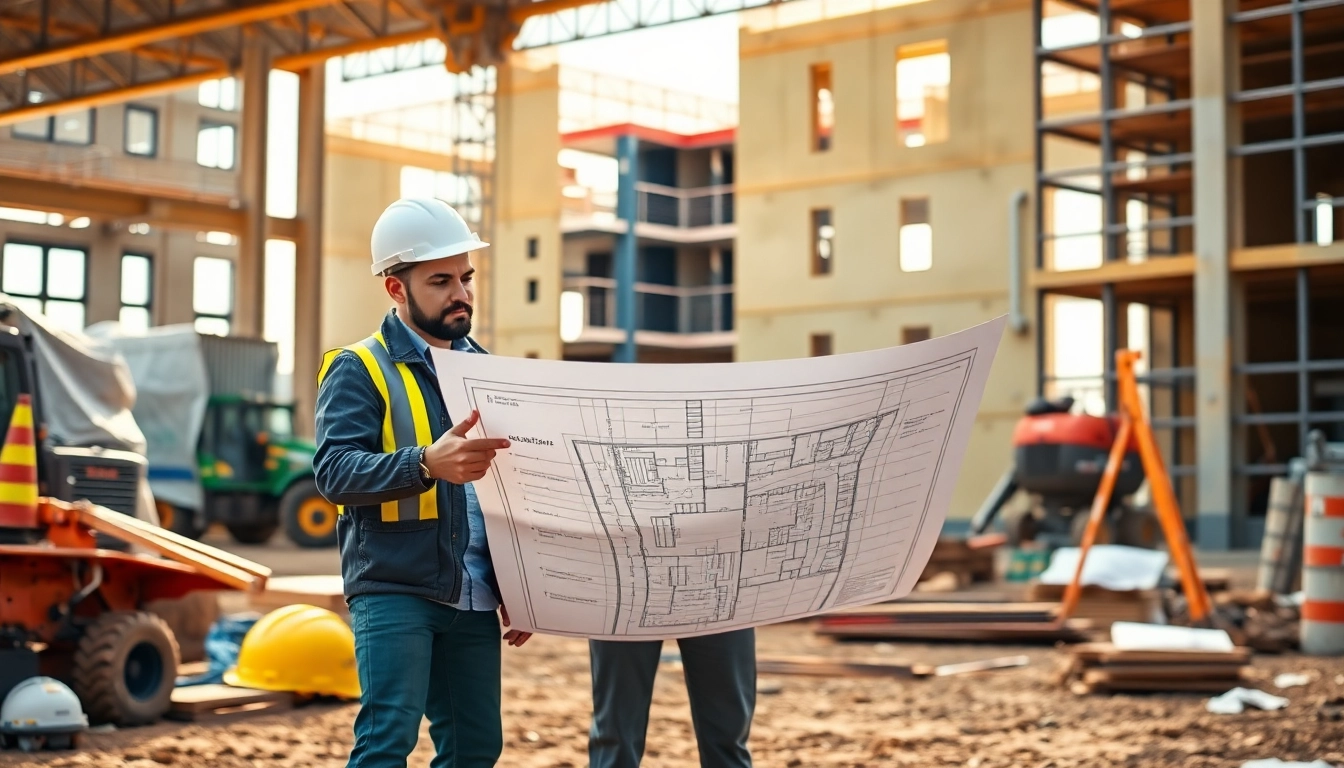
Understanding Construction Advocacy
Definition and Importance
Construction advocacy is a vital component of the built environment, concentrating on influencing policies, practices, and public perceptions that affect the construction industry. Integral to promoting the interests of construction professionals, stakeholders, and communities, advocacy efforts ensure that key decision-makers recognize and consider the nuances of construction projects in their policies. Engaging in construction advocacy is crucial to establishing safer, more sustainable, and economically viable construction methods that benefit society as a whole. This importance grows as the industry faces evolving challenges like sustainability, technology integration, and workforce development.
History of Construction Advocacy
The roots of construction advocacy trace back to the early 20th century when various construction associations formed to unify voices within the industry against unjust regulations and economic challenges. Over the decades, these organizations have evolved into influential bodies that represent contractors, builders, trade unions, and engineers. The rise of environmental concerns in the latter half of the century gave birth to a new wave of construction advocacy that stresses sustainable practices and the industry’s responsibility towards ecological stewardship.
Key milestones include the establishment of national associations that lobby for favorable legislation, such as the Occupational Safety and Health Administration (OSHA) regulations that protect worker safety. Through collective efforts, the industry has made significant strides toward improved worker’s rights, regulatory frameworks, and accountability for construction practices.
Current Trends in Advocacy
Today’s construction advocacy landscape is marked by several key trends aimed at addressing modern challenges. First, a growing emphasis on sustainable building practices is shaping advocacy initiatives. The push for environmentally-friendly materials and energy-efficient structures has led organizations to promote green building certifications and practices actively.
Technological adaptation is another critical trend as the industry increasingly integrates digital tools for project management, communication, and design. Advocates are now focusing on how technology can drive efficiencies and enhance safety standards across the construction landscape.
Furthermore, the impact of social equity is becoming a focal point of advocacy efforts. Enhanced calls for diversity, equity, and inclusion within the industry structure seek to ensure that marginalized groups benefit from and contribute to construction projects, thus shaping a more equitable industry.
Key Players in Construction Advocacy
Organizations and Associations
Numerous organizations at both national and local levels play pivotal roles in construction advocacy. These includes trade associations like the Associated General Contractors (AGC), the National Association of Home Builders (NAHB), and the American Institute of Architects (AIA), which work collectively to represent the interests of their members. Such organizations engage in lobbying efforts, provide training and educational resources, publish research, and develop standards designed to improve industry practices.
In addition to trade associations, community organizations and non-profits are becoming increasingly involved in advocacy initiatives. These groups often represent public interest and community concerns, providing a counterbalance to purely industry-focused lobbying efforts.
Advocates and Stakeholders
At the heart of construction advocacy are the advocates themselves—individuals and groups who dedicate time, resources, and expertise towards fighting for the industry’s interests. This includes professionals from various disciplines within construction, such as project managers, engineers, architects, and skilled laborers. Their onsite experience equips them with valuable insights needed for realistic policy adjustments.
Moreover, stakeholders such as developers and investors also have significant influence on advocacy efforts. Their financial and community impact can motivate industry-wide behavior changes and inspire policymakers to adopt best practices for responsible development.
Government Roles
Government entities play a crucial role in shaping construction advocacy through policy creation, regulation enforcement, and funding allocations. Local, state, and federal authorities enact building codes, safety regulations, and environmental standards that directly affect construction practices.
Moreover, government advocacy for infrastructure investment has proliferated, often resulting in improved public projects that stimulate regional economic growth while ensuring construction methods adhere to evolving regulatory frameworks. By fostering collaboration between governments and construction advocacy groups, there is the potential to achieve impactful, long-term advancements for the industry.
Challenges Faced in Construction Advocacy
Regulatory Hurdles
Regulatory complexities present one of the foremost challenges in construction advocacy. Different jurisdictions impose varying regulations, complicating the push for unified policies across local, state, and federal levels. Navigating these legal frameworks requires dedicated resources and expertise, as advocates must not only understand construction laws but also affect legislative change through lobbying and public engagement strategies.
Additionally, changing regulations related to safety, environmental standards, and labor laws can present operational challenges for construction firms, making it imperative for advocacy groups to remain informed and adaptable.
Funding Limitations
Funding presents another daunting challenge for effective advocacy. Many advocacy organizations depend on membership fees, donations, and grants to support their initiatives. As financial constraints mount, particularly during economic downturns, these organizations often struggle to maintain adequate funding for campaigns and lobbying efforts.
Moreover, the competition for funding from various public and private sources exacerbates these limitations as advocates vie for attention and resources. Building partnerships and coalitions can help streamline efforts and share resources effectively.
Public Perception Issues
Public perception of the construction industry often oscillates based on recent media coverage, economic shifts, and environmental impacts. Negative portrayals can complicate advocacy efforts, making it essential for advocates to correct misconceptions and communicate the intrinsic benefits of construction projects to the community.
Inaccurate narratives regarding the industry’s role in environmental degradation or worker exploitation require concerted efforts to inform the public about sustainable practices and worker rights initiatives in construction, fostering a positive association between construction advocacy and community wellbeing.
Best Practices for Effective Advocacy
Building Coalitions
Effective advocacy often begins with coalition building. By bringing together diverse stakeholders ranging from trade associations to grassroots organizations, advocacy initiatives can present a united front that amplifies their impact. This collective approach allows for resource sharing, increased visibility, and a broader range of perspectives that can enhance lobbying efforts.
Creating strategic partnerships with organizations that share similar goals can foster synergies that enhance advocacy effectiveness. Whether through joint campaigns, informational events, or policy dialogues, coalition-building efforts lay the groundwork for more comprehensive advocacy approaches.
Effective Communication Strategies
Clear and persuasive communication is central to advocacy success. Effective advocates should equip themselves with storytelling abilities that resonate with various audiences, highlighting case studies, testimonials, and data to substantiate their claims. Social media platforms can also act as powerful tools for advocacy, allowing for wide-reaching engagement opportunities.
Utilizing a multi-channel approach to communication can significantly enhance the message’s reach. Engaging in direct communication with policymakers, utilizing media outlets, and conducting public awareness campaigns can all serve to solidify the advocacy message in the public consciousness.
Measuring Advocacy Impact
To continue improving advocacy efforts, it is essential to measure the impact of initiatives effectively. Establishing key performance indicators (KPIs) can help quantify advocacy outcomes, assessing metrics such as legislative successes, community engagement levels, and shifts in public opinion. Regular evaluations can lead to informed adjustments in strategy as advocates align their methods to maximize impact.
Additionally, sharing success stories and outcomes with stakeholders fosters transparency and trust, encouraging ongoing support for advocacy initiatives and attracting new allies in the process.
Future Outlook of Construction Advocacy
Technological Innovations
The rapid evolution of technology is expected to significantly transform construction advocacy in the coming years. The integration of Building Information Modeling (BIM), drones, and augmented reality will enhance project transparency while improving safety and efficiency. Advocates can leverage these advancements to demonstrate the benefits of modernization within construction.
Furthermore, digital platforms will enable the sharing of best practices and resources, fostering greater collaboration and innovation among stakeholders. Embracing technology not only amplifies advocacy efforts but also allows for a more informed public discourse on construction issues.
Legislative Changes on the Horizon
Anticipating legislative changes is a critical aspect of construction advocacy. As governments across the globe continue to grapple with climate change and socioeconomic issues, new regulations are likely to arise, mandating sustainable practices, safety protocols, and workforce development initiatives. Ensuring that construction advocacy groups are actively engaged in these discussions will position them advantageously in shaping effective policies together with lawmakers.
By aligning advocacy efforts with impending legislative changes, the construction industry can drive positive change, ensuring that policies reflect both innovation and community needs.
Preparing for Industry Challenges
As the construction industry faces challenges such as workforce shortages, safety concerns, and environmental issues, effective advocacy will be crucial in preparing for and weathering these challenges. By promoting training programs, advocating for improved safety standards, and embracing innovative construction methods, advocates can help ensure a resilient and prepared industry.
Moreover, proactive advocacy efforts can enhance public understanding and support for the industry as it navigates these complexities, solidifying the social license needed for continued growth and sustainability.
FAQs
What is construction advocacy?
Construction advocacy refers to efforts aimed at influencing policies, regulations, and public perception related to the construction industry, promoting best practices and sustainable practices.
Why is construction advocacy important?
It ensures that voices from the construction industry are heard in policymaking, leading to informed decisions that affect safety, sustainability, and economic impact.
Who are the key stakeholders in construction advocacy?
Stakeholders include construction professionals, trade associations, government agencies, and community organizations, all working to promote construction interests.
What challenges does construction advocacy face?
Major challenges include navigating regulatory environments, funding constraints, and overcoming negative public perceptions about the construction industry.
How can I get involved in construction advocacy?
You can participate by joining local construction organizations, attending advocacy events, and engaging in discussions on policies affecting the construction sector.