
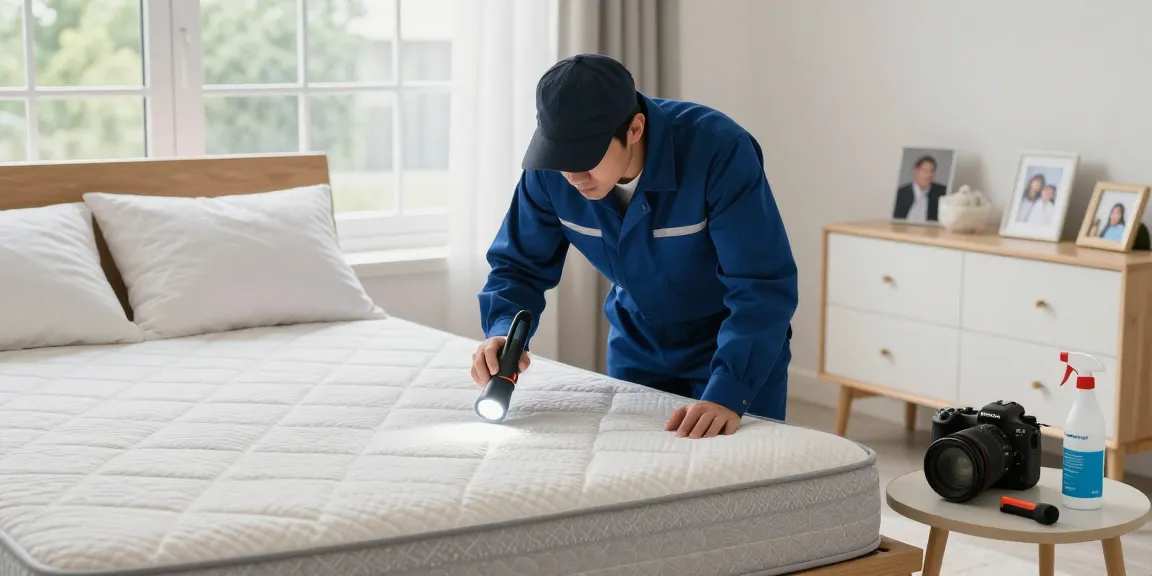
Understanding Bed Bugs and Their Impact
Bed bugs are tiny, relentless pests that can turn your peaceful nights into a nightmare. As a homeowner or renter, dealing with an infestation can be daunting. These blood-sucking insects thrive in environments where people rest, and they often go unnoticed until significant damage has been done. Understanding bed bugs, their behaviors, and their potential impact is crucial in addressing the issue effectively. When exploring options, a bed bug exterminator can provide comprehensive insights into treatment and prevention strategies, ensuring your space remains safe and comfortable.
What Are Bed Bugs?
Bed bugs (Cimex lectularius) are small, oval-shaped insects that typically range from 1 to 5 millimeters in size. They are reddish-brown and are most active during the night. Adult bed bugs can be easily seen with the naked eye, but their eggs and immature nymphs are much smaller, making them difficult to spot. Bed bugs do not transmit diseases, but their bites can cause significant discomfort, leading to psychological stress for those affected.
Signs of an Infestation
Detecting a bed bug infestation early can save you from significant distress and potential costs. Common signs include:
- Small blood stains on bed linens or mattresses.
- Dark, inky spots, which are bed bug droppings.
- Live bugs, especially in the seams of mattresses and box springs.
- Itchy, red welts on the skin, often in clusters or lines.
- Musty odors emanating from infested areas.
Impact on Health and Well-being
While bed bugs do not transmit diseases, their presence can lead to various health concerns. Frequent scratching of bites can cause secondary infections, and the psychological effects of an infestation can lead to anxiety, insomnia, and increased stress levels. Moreover, the physical discomfort caused by bites can significantly disrupt one’s quality of life, making effective eradication essential.
Choosing the Right Bed Bug Exterminator
When faced with a bed bug infestation, selecting the right exterminator is critical for effective resolution. You want a professional who is knowledgeable about the latest treatments and understands the specific challenges posed by bed bugs.
Professional vs. DIY Solutions
Many homeowners consider DIY solutions to save costs, but these methods often lack the effectiveness needed for complete eradication. Store-bought sprays may kill some visible bugs but fail to eliminate the entire colony, including eggs hidden in hard-to-reach places. Professional pest control services not only use high-quality products but also employ advanced techniques like heat treatments and chemical sprays that ensure a comprehensive approach.
What to Look for in an Exterminator
Choosing a reliable exterminator involves several key considerations:
- Experience and reputation: Look for companies with proven track records in bed bug extermination.
- Methods used: Ensure they employ modern and effective treatment methods, including eco-friendly options.
- Customer reviews and testimonials: Positive feedback from past clients can provide insights into their service quality.
- Warranty and follow-up services: A good exterminator should offer guarantees on their work and conduct follow-up inspections.
Questions to Ask During Consultation
When speaking with potential exterminators, consider asking the following questions:
- What treatment methods do you recommend for bed bugs?
- How long will the treatment take, and how many visits will be necessary?
- Are your products safe for children and pets?
- What steps should I take in preparation for the treatment?
Effective Bed Bug Treatment Options
Effective treatment methodologies are crucial to eliminate bed bugs swiftly and efficiently, ensuring peace of mind for affected homeowners.
Heat Treatment: Advantages and Process
Heat treatment is one of the most effective solutions for bed bug extermination. This method raises the temperature in the infested area to levels lethal to bed bugs, effectively killing all life stages, including eggs. The main advantages include:
- Non-toxic: Heat treatment is environmentally friendly and safe for households with children and pets.
- Speed: It often requires only one visit and provides immediate results.
- Long-lasting effectiveness: Because it eliminates the entire life cycle, it reduces the likelihood of re-infestation.
The process typically lasts several hours, during which temperatures are monitored to ensure effectiveness.
Chemical Spray Treatments and Their Benefits
Chemical sprays remain a popular choice for bed bug extermination, providing effective residual protection for up to 120 days. These treatments are essential for:
- Creating a protective barrier that prevents re-infestation.
- Targeting bed bugs hiding in difficult areas.
- Offering different formulations tailored to various settings.
Using a combination of heat and chemical treatments can often yield the best results, particularly in severe infestations.
Combination Treatments for Reinforcement
Many exterminators recommend combination treatments for optimal results. This approach may involve using heat to quickly eliminate visible bugs, followed by chemical treatments for lasting protection. Combining methods enhances efficacy, reduces the chance of re-infestation, and addresses different hiding spots where bed bugs can thrive.
Preparing for Bed Bug Extermination
A successful extermination process begins with adequate preparation on the homeowner’s part. Proper preparation can enhance the effectiveness of the treatment and reduce the likelihood of future infestations.
Home Preparation Steps for Treatment
Before the exterminators arrive, homeowners should follow specific steps to prepare their space. This includes:
- Decluttering the affected areas to provide access for treatment.
- Cleaning bedding and clothing in hot water and drying on high heat.
- Vacuuming carpets and furniture thoroughly to remove as many bugs and eggs as possible.
- Moving furniture away from walls to expose potential hiding spaces.
What to Expect During the Process
During the extermination process, expect the following:
- The exterminator will conduct a thorough inspection to identify the extent of the infestation.
- Depending on the chosen method, the extermination could last several hours.
- Areas treated will be marked off to prevent reinfestation before the treatment settles.
Post-Treatment Guidelines for Homeowners
After treatment, homeowners should adhere to specific guidelines to ensure lasting success. This includes:
- Avoiding contact with treated areas for a specified time.
- Continuing to monitor for any signs of bed bugs.
- Implementing preventive measures, such as encasing mattresses in protective covers.
Long-Term Bed Bug Prevention Strategies
Once the immediate issue has been addressed, it becomes essential to implement strategies to prevent future infestations. Bed bugs are known for their resilience and ability to travel, which makes vigilance crucial.
Identifying and Managing Risks
To reduce the risk of a re-infestation, consider the following strategies:
- Regularly inspect your home for signs of bed bugs, particularly after travel or acquiring used furniture.
- Seal cracks and crevices in walls and floors to deter entry.
- Be cautious about bringing second-hand items into your home, especially mattresses and upholstered furniture.
Regular Inspections and Maintenance Tips
Maintaining vigilance through regular inspections can prevent new infestations. Homeowners should:
- Include bed bug checks in their home maintenance routine.
- Utilize bed bug monitoring devices, such as traps, to catch any early signs of activity.
- Ensure all bedding is kept clean and properly stored when not in use.
Educating Yourself and Others About Bed Bugs
Education is one of the most powerful tools in preventing bed bug infestations. Homeowners should:
- Inform family members about identifying bed bugs and their bites.
- Share knowledge about potential risks when traveling or purchasing used items.
- Stay updated on effective treatment and prevention methods.
When Should You Call a Professional Bed Bug Exterminator?
If you suspect a bed bug infestation or notice any signs, it is vital to act promptly. Calling a professional exterminator is advisable when:
- Visible bugs are detected or signs of bites appear.
- DIY methods have failed to control the problem.
- Your home has been infested multiple times, indicating a persistent issue.
Can Bed Bugs Be Completely Eliminated?
Yes, bed bugs can be completely exterminated with the right treatment approach. However, successful eradication depends on timely intervention, effective methods, and ongoing prevention strategies. A comprehensive treatment plan can lead to long-term relief from these pests.
How Much Does a Bed Bug Exterminator Cost?
The cost of hiring a bed bug exterminator can vary significantly based on the level of infestation and the treatment methods chosen. On average, homeowners may expect to pay between $500 and $1,500 for professional services, depending on factors such as location, severity, and the size of the property.
What Are the Long-term Effects of Bed Bug Infestations?
Long-term effects of bed bug infestations can include financial burdens due to treatment costs, psychological impacts from stress and anxiety, and potential harm to personal relationships. It is crucial to address infestations promptly to mitigate these challenges.
Are Heat Treatments Safe for All Environments?
Heat treatments are generally safe when conducted by professionals trained in the procedure. However, certain environments may have challenges, such as delicate electronics or valuable antiques, which need to be addressed beforehand to prevent damage.