
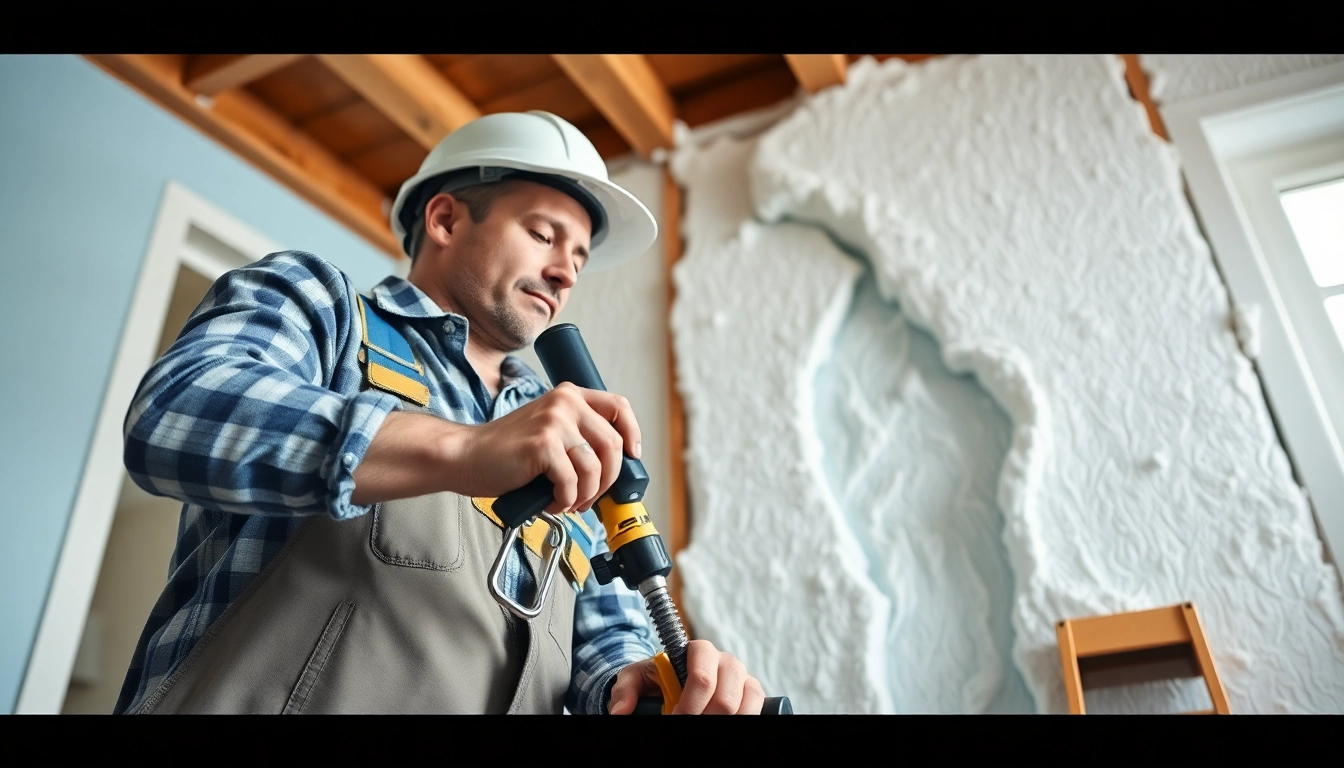
Understanding Closed Cell Spray Foam Removal
What is Closed Cell Spray Foam?
Closed cell spray foam is a highly effective insulation material used in construction and renovation projects. Composed of tiny, closed cells that trap gas, this foam expands upon application to fill gaps and create a solid barrier. Its high R-value offers superior thermal insulation compared to other insulation types, making it an appealing choice for energy efficiency. While beneficial, closed cell spray foam can sometimes present challenges, necessitating a removal process that can be intricate and demanding.
Why Removal May Be Necessary
There are several scenarios where the removal of closed cell spray foam becomes essential. Over time, the material can degrade, lose effectiveness, or contribute to moisture-related issues like mold growth. Poor installation can lead to arched walls and uneven surfaces, potentially compromising structural integrity. Renovations also offer an opportunity for removal, especially when updating a building’s insulation or retrofitting for better energy performance. Addressing these concerns proactively is crucial for maintaining a safe and efficient living or working environment. This is where closed cell spray foam removal becomes relevant.
Common Challenges in the Removal Process
Removing closed cell spray foam poses several challenges. The most significant issues include the material’s adherence to surfaces, which can lead to structural damage if not handled properly. Moreover, hazardous chemicals may be released during the removal process, posing health risks to individuals in the vicinity. Additionally, significant time and effort are required to ensure that all foam is properly removed without damaging the underlying surfaces, complicating this undertaking further.
Preparation for Closed Cell Spray Foam Removal
Required Tools and Equipment
Effective removal of closed cell spray foam requires a specific set of tools and equipment. Essential items include:
- Utility knives for cutting through the foam material.
- Scrapers and chisels for prying away stubborn pieces.
- Protective gear including respirators, gloves, and safety goggles.
- Chemical removers for dissolving the adhesive properties of the foam, if necessary.
- Vacuum cleaner with a HEPA filter to collect debris.
Safety Precautions to Take
Prioritizing safety is paramount during the removal process. Here are some key precautions to observe:
- Always wear protective gear to prevent skin and respiratory irritation.
- Ensure adequate ventilation in the workspace to minimize exposure to fumes.
- Review Safety Data Sheets (SDS) for any chemicals being used to familiarize yourself with handling procedures.
- Keep a first aid kit nearby in case of accidents.
Assessing the Area for Removal
Before beginning the removal process, it’s vital to conduct a thorough assessment of the targeted area. This includes:
- Examining the condition of the foam and identifying problem areas.
- Measuring the extent of insulation to prepare for disposal.
- Checking structural integrity to determine if additional repairs may be needed.
Techniques for Effective Removal
Manual Removal Methods Explained
Manual removal methods involve the use of physical tools to scrape and cut away the foam. The process typically starts with using utility knives to slice through the foam, followed by scrapers for peeling off larger sections. This method allows for greater control over the removal, but can be labor-intensive. Patience is essential, particularly in checking for any remaining residue that may cause issues later.
Using Chemical Agents for Efficient Removal
Chemical agents can enhance the removal process, especially when the foam is stubbornly adhered to surfaces. Commonly used solvents can break down the foam’s structure, allowing for easier physical removal. However, it’s crucial to follow the manufacturer’s guidelines to avoid adverse reactions and ensure safety. Always test any chemical on a small area to ensure it does not cause damage to the underlying substrate.
Best Practices for Preventing Damage
While removing closed cell spray foam, it’s vital to minimize potential damage to the underlying surfaces. Here are some best practices:
- Use the right tools for the job; sharp knives and scrapers can reduce the risk of gouging.
- Keep the pressure light when scraping to prevent scratching surfaces.
- Work slowly to assess any vulnerabilities in the surface beneath the foam.
- Remove foam layer by layer, which can help maintain the integrity of the underlying material.
Post-Removal Considerations
Cleaning Up After Removal
The cleanup process after foam removal is crucial for ensuring a safe environment. Dispose of removed foam properly according to local regulations. Clean up any debris and dust using a vacuum with a HEPA filter to prevent recontamination of the area. Ensure that any tools and equipment used are free from residual foam or chemicals before storing them away.
Inspecting for Residual Foam
After the removal process, perform a thorough inspection for any leftover foam sections. Areas that often harbor residual foam include corners, seams, and around fixtures. Use a scraper or knife to eliminate remaining pieces, as they can interfere with the installation of new insulation or cause other issues. A detailed inspection ensures a clean slate for future projects.
When to Seek Professional Help
While many homeowners can manage the removal of closed cell spray foam on their own, there are circumstances when professional intervention is necessary. If the foam covers large areas, if it is removed from sensitive or hard-to-reach locations, or if you are uneasy about potential hazards, hiring professionals may be the best solution. They can provide efficient and safe removal, saving you time and potential headaches.
FAQs About Closed Cell Spray Foam Removal
What are the risks of improper removal?
Improper removal can result in structural damage, safety hazards, and health issues due to inhaling particles from the foam or residual chemicals.
How long does the removal process take?
The duration of removal varies depending on the area size and complexity, typically taking a few hours to an entire day.
Is professional removal worth the cost?
Yes, hiring professionals ensures a safe and effective removal process, reducing risks and mitigating potential damage during the task.
What tools are needed for removal?
Key tools include utility knives, scrapers, chemical removers, protective gear like gloves and goggles, and a vacuum cleaner with a HEPA filter.
Can I remove closed cell spray foam myself?
While it’s possible to attempt DIY removal, it comes with risks, especially regarding safety and structural integrity, so professional help is often recommended.