
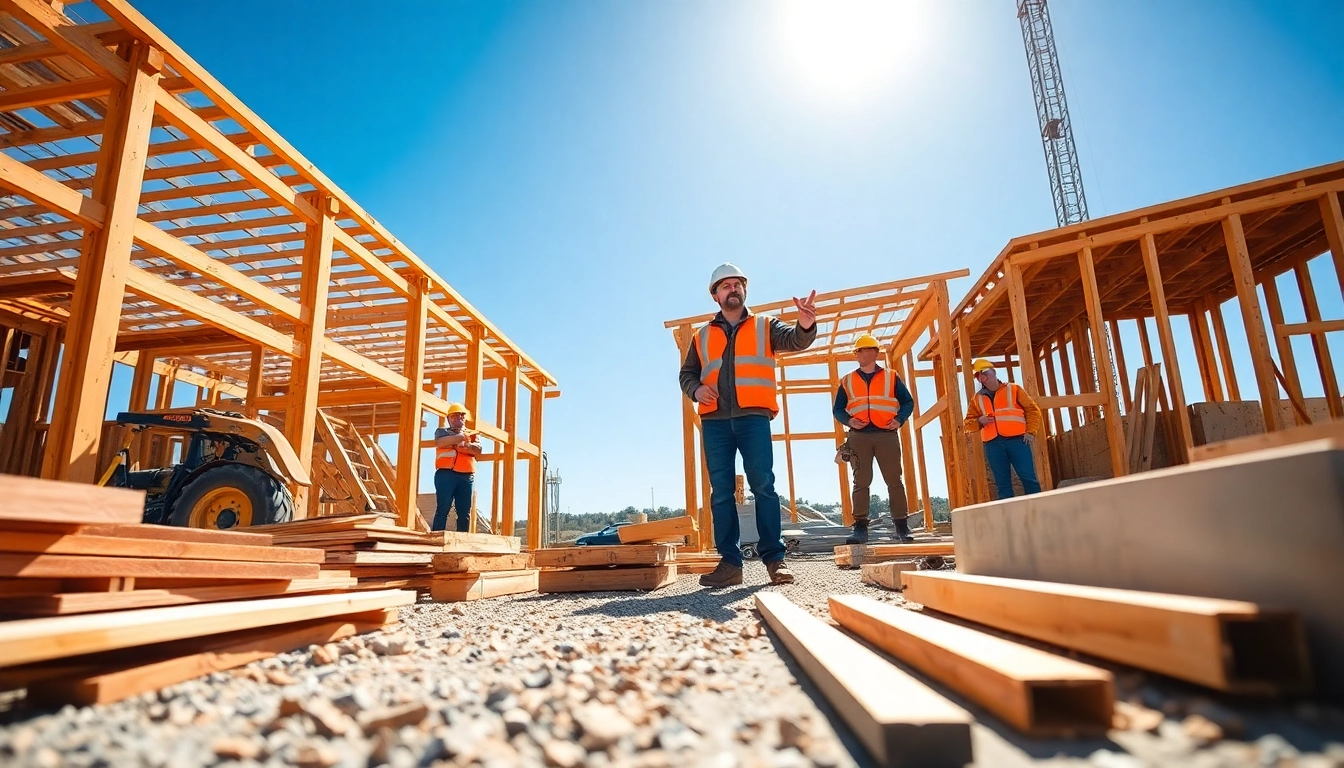
Understanding the Role of a New Jersey General Contractor
Definition and Services Provided
A New Jersey General Contractor serves as the central figure in construction projects, acting as the primary point of coordination between clients, subcontractors, and project managers. The responsibilities of a general contractor include overseeing the timeline, managing budgets, and ensuring quality standards throughout the construction process. They are typically involved in various phases such as planning, executing, and finalizing construction assignments.
In New Jersey, these contractors often provide a broad range of services, which can include project management, site preparation, design consultation, and liaising with local regulatory agencies to secure necessary permits. Building and maintaining strong relationships with subcontractors and suppliers is also essential, as it allows for a more streamlined process from initiation to completion. For more on the diverse services offered by a New Jersey General Contractor, consider how their expertise elevates project execution and outcomes.
Importance of Project Management
General contractors are pivotal in ensuring effective project management. They establish project timelines, allocate resources, and monitor progress to align with the planned schedule and budget. Project management in construction also involves effective communication and collaboration with various stakeholders, including clients, laborers, and subcontractors. A proficient New Jersey General Contractor employs project management tools and methodologies to decrease the likelihood of errors and project delays.
Such expertise in project management also encompasses conflict resolution. When disputes arise, a general contractor’s negotiating skills prove indispensable in maintaining a harmonious work environment and moving the project forward smoothly. This meticulous attention to project management can reduce costs and improve the overall quality of the constructed facility.
Key Skills Required
To excel as a New Jersey General Contractor, individuals must possess an amalgamation of technical and interpersonal skills. Key skills include:
- Leadership: The ability to guide a team and foster collaboration is critical.
- Budget Management: Understanding how to create, manage, and adhere to budgets ensures project feasibility.
- Technical Knowledge: Familiarity with construction processes, materials, and methods is necessary for effective decision-making.
- Communication Skills: Clear communication with clients and subcontractors aids in aligning project goals and expectations.
- Problem-Solving: The capacity to quickly resolve issues is vital for maintaining project timelines.
Benefits of Hiring a New Jersey General Contractor
Cost Efficiency and Budget Management
One of the most significant benefits of hiring a New Jersey General Contractor is their ability to manage costs effectively. With their expertise in budgeting, they can help avoid unforeseen expenses that often plague construction projects. They utilize their network of suppliers and subcontractors to negotiate favorable rates, ultimately saving money for clients.
Moreover, general contractors implement strategies that allocate resources wisely, reducing waste and enhancing productivity, which directly impacts the overall project cost. This proficiency not only contributes to adhering to the budget but also allows for reinvestment into quality aspects of the project.
Access to Skilled Professionals
General contractors have established connections with a plethora of skilled professionals, including electricians, plumbers, and carpenters. This access ensures that the project is handled by qualified individuals with specific expertise, which is especially beneficial in the diverse landscape of New Jersey building codes and regulations.
These connections not only help to expedite the construction process but also enhance the quality of work delivered on the project. Engaging with reputable subcontractors means that work is completed efficiently, adhering to both timelines and industry standards.
Ensuring Safety Standards
Ensuring safety on the job site is paramount. New Jersey General Contractors are well-versed in both federal and state safety regulations, which ensures that all safety measures are appropriately integrated into daily operations. They implement safety training programs, enforce the use of personal protective equipment, and conduct regular site inspections.
By prioritizing safety, general contractors not only safeguard the well-being of workers but also protect clients from potential liabilities related to workplace accidents. This commitment to safety fosters a professional environment, reinforcing the contractor’s reputation and trust among clients.
How to Choose the Right New Jersey General Contractor
Key Factors to Consider
Choosing the right New Jersey General Contractor can make or break a construction project. A few critical factors to assess include:
- Experience: Contractors with a proven track record in similar projects might have better insights into complications and best practices.
- Reputation: Online reviews, testimonials, and references are invaluable when evaluating a contractor’s reliability.
- Communication: A contractor who communicates effectively will better align with your project expectations and needs.
Checking Credentials and References
Before selecting a New Jersey General Contractor, it’s critical to verify their credentials. This includes checking for necessary licenses, insurance coverage, and any certifications that demonstrate their qualifications. Additionally, requesting references from previous clients can provide insights into past performance and client satisfaction.
Engaging in conversations with former clients can also help gauge a contractor’s reliability, responsiveness, and overall commitment to quality outcomes. These due diligence steps are essential to ensuring the contractor you choose aligns with your project requirements.
Understanding Contracts and Agreements
Contracts are the backbone of the working relationship between a client and a New Jersey General Contractor. Understanding the terms and nuances of contracts is imperative to prevent misunderstandings later on. Key components of a contract include the scope of work, timelines, payment schedules, and dispute resolution procedures.
It is advisable to consult with legal professionals experienced in construction law to clarify any uncertainties in the contract and ensure fair terms. A well-structured contract will protect both parties and provide clear guidelines for expected outcomes throughout the project.
Common Challenges Faced by New Jersey General Contractors
Navigating State Regulations
New Jersey has a unique set of regulations governing construction activities. General Contractors must be adept at understanding local building codes, zoning laws, and environmental regulations, which can be complex and subject to change. Failing to comply can result in costly delays, fines, or even the halt of projects.
To navigate these challenges, it’s essential for general contractors to stay informed on regulatory changes and seek guidance from legal or industry professionals to ensure compliance. Continuous education and training in regulatory aspects can also serve as a valuable investment for contractors.
Managing Client Expectations
Setting and managing client expectations is a crucial challenge faced by general contractors. Clear communication regarding project timelines, costs, and potential hurdles is fundamental. Misalignment between a contractor’s understanding and a client’s expectations can lead to dissatisfaction and disputes.
Regular updates on project status and prompt responses to client inquiries create transparency and foster trust. Utilizing project management tools to provide real-time information can also help set realistic expectations and keep all stakeholders in alignment.
Adapting to Changing Market Conditions
The construction industry is inherently affected by market fluctuations, which can impact materials pricing, labor availability, and project timelines. New Jersey General Contractors must be prepared to adapt to these changing conditions to minimize disruptions.
Developing strategies for resilience, such as diversifying supplier relationships and staying informed on market trends, is essential. By being proactive, contractors can better manage costs and project timelines in response to fluctuating conditions.
FAQs About New Jersey General Contractors
What services do New Jersey General Contractors offer?
New Jersey General Contractors provide project management, construction oversight, site preparation, and compliance with local regulations, among other services.
How can I find a reputable contractor in New Jersey?
Research online reviews, ask for recommendations from friends or family, and verify credentials with licensing boards to find reputable contractors.
What should I look for in a contract?
Key elements include the scope of work, payment terms, timelines, responsibilities, and procedures for resolving disputes should they arise.
How do general contractors ensure safety on the job site?
They enforce safety protocols, provide necessary training, conduct regular inspections, and ensure compliance with OSHA standards to maintain a safe environment.
Are contractors in New Jersey required to be licensed?
Yes, most contractors in New Jersey need to hold valid licenses specific to their trade to operate legally and ensure adherence to local regulations.