
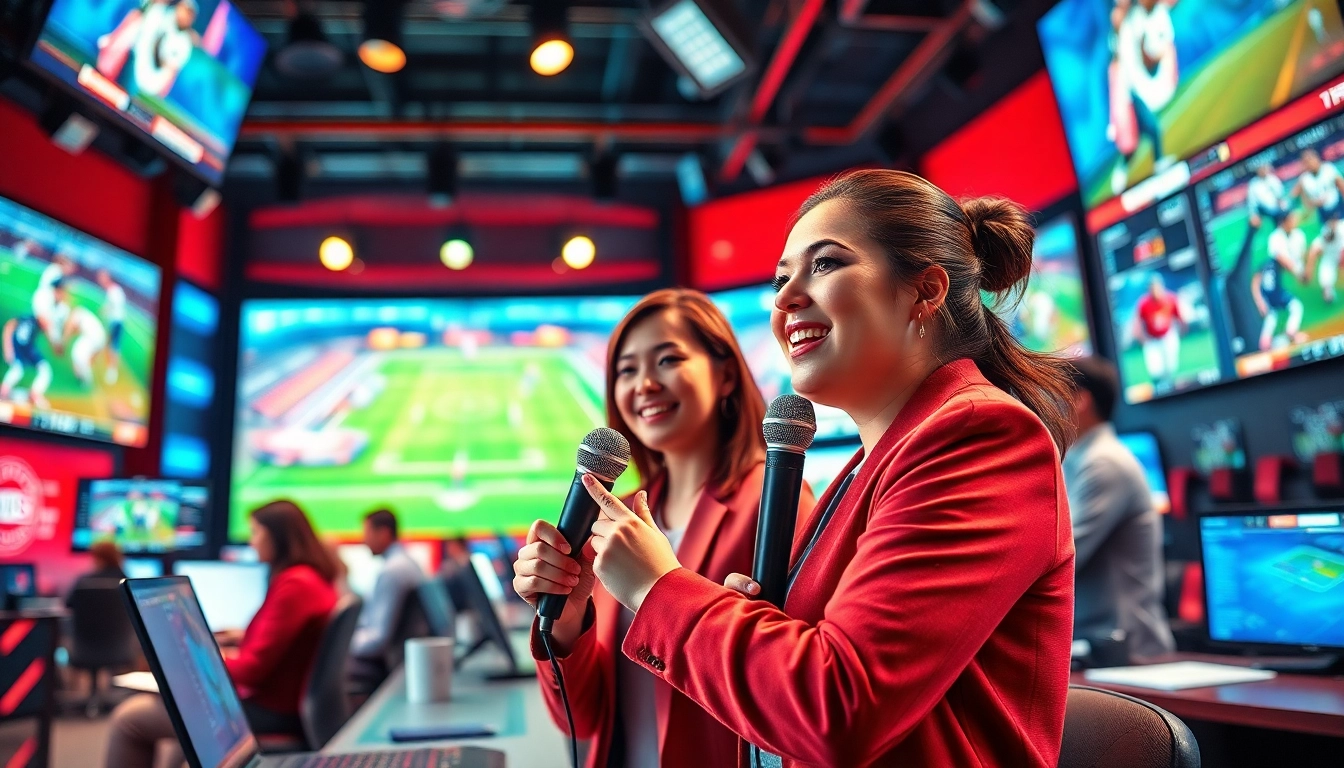
Understanding Sports Broadcasting
Definition and Scope of Sports Broadcasting
Sports broadcasting refers to the distribution of sporting events over television, radio, and the internet, providing live coverage that connects audiences to their favorite sports. This medium allows fans to experience the thrill of the game regardless of their geographical location. Integral to the entertainment industry, sports broadcasting encompasses a range of activities including live commentary, interviews, and analysis, making it a dynamic field that continually evolves. The significance of Sports Broadcasting lies in its ability to deliver not just a game, but the excitement and narratives surrounding sports, reaching millions of viewers globally.
Evolution of Sports Broadcasting
The evolution of sports broadcasting has been profound, influenced by technological advancements and changing consumer preferences. Starting with radio broadcasts in the early 20th century, sports became accessible to audiences who could not attend events in person. The introduction of television in the 1950s brought a seismic shift, allowing fans to experience live games with high-quality visuals. This transition was further enhanced by color broadcasting in the 1960s, which added authenticity and vibrancy to sports coverage. In recent years, digital platforms and streaming services have begun to dominate, offering on-demand access and personalized viewing experiences, which has forever changed how fans engage with sports content.
Impact on Viewership and Engagement
The impact of sports broadcasting on viewership and engagement is monumental. It is estimated that millions of viewers tune in for major sporting events like the Super Bowl or World Cup, showcasing a unique ability to unify diverse audiences through shared experiences. Social media integration has amplified this effect, allowing viewers to interact in real-time during broadcasts, thus redefining engagement levels. The growth of eSports has also introduced a new demographic of viewers interested in competitive gaming, further expanding the reach of sports broadcasting into non-traditional arenas.
Key Components of Successful Sports Broadcasting
Importance of Quality Production
Quality production is crucial in sports broadcasting, influencing viewer satisfaction and overall experience. High-definition (HD) and ultra-high-definition (UHD) broadcasting ensure that viewers catch every detail of the game, while multiple camera angles provide comprehensive coverage. Additionally, the integration of instant replays and slow-motion shots enhances the viewing experience, allowing fans to relive critical moments in real-time. Producers must also pay attention to audio quality; clear commentary and sound effects can significantly heighten viewer engagement, making them feel part of the action.
Role of Commentary in Sports Broadcasting
Commentary plays a vital role in sports broadcasting, serving as the voice that guides viewers through the event. Skilled commentators not only provide play-by-play descriptions of the action but also share insights, statistics, and personal anecdotes, enriching the narrative. Engaging commentary can transform a simple game into a dramatic spectacle; it is essential for commentators to be knowledgeable and adaptable, responding to the evolving dynamics of the game. The chemistry between commentators and their ability to connect with the audience enhances the overall viewing experience.
Utilizing Technology for Enhanced Experience
Technology has revolutionized sports broadcasting by introducing innovative solutions that enhance viewer experiences. Virtual and augmented reality technologies allow fans to experience games from unique perspectives, providing an immersive viewing experience. Advanced graphics and real-time data overlays present viewers with statistics and insights that were once only available to analysts. Furthermore, social media platforms and mobile applications facilitate interactive features such as polls and live chats, keeping fans engaged and allowing them to express their opinions during broadcasts.
Challenges in the Sports Broadcasting Industry
Navigating Rights and Regulations
The sports broadcasting industry faces ongoing challenges relating to rights and regulations. Obtaining broadcasting rights from sports leagues or organizations can be a complex and expensive process, often involving negotiations and legal contracts. Regulatory issues, such as copyright and intellectual property laws, can complicate content distribution, particularly as digital platforms grow. To navigate this landscape effectively, broadcasters must maintain strong legal counsel and develop robust strategies for acquiring rights to key events.
Addressing Viewer Expectations
As viewing habits change, so do viewer expectations. Today’s audiences expect high-quality, engaging broadcasts with interactive features. Meeting these demands requires constant innovation and adaptability from sports broadcasters. Viewers desire not only live coverage but also instant highlights, behind-the-scenes content, and interactive options such as choosing commentary styles. To keep viewers satisfied, broadcasters must invest in technology and continuously analyze audience feedback to improve their offerings.
Adapting to Technological Changes
The rapid pace of technological advancements presents significant challenges for sports broadcasters. Staying relevant in an era where new platforms and technologies emerge daily requires agility and foresight. Broadcasters must remain committed to exploring and adopting new technologies such as cloud streaming, artificial intelligence, and data analytics. Adapting to these changes can facilitate improved viewer experiences while optimizing production efficiency. Forward-thinking broadcasters will embrace these advancements to maintain a competitive edge.
Strategies for Maximizing Audience Engagement
Tailoring Content for Different Platforms
To maximize audience engagement, content must be tailored to the platform where it is being consumed. For instance, social media platforms thrive on short, visually appealing clips that attract quick views, while long-form analysis works better on dedicated sports channels or streaming services. Understanding the nuances of each platform allows broadcasters to create specific content that resonates with their audience, thus enhancing engagement and satisfaction. Experimenting with various content styles and formats can help identify what works best for different viewer demographics.
Building Community Through Interaction
Building a community through interactive elements is essential for increasing audience engagement. Sports broadcasters can create forums for fans to interact, enabling discussions about games, player performances, and upcoming events. Q&A sessions, live chats during broadcasts, and fan polls not only create a sense of belonging among viewers but also foster loyalty to the broadcast channel. Engaging with the audience makes fans feel valued and involved, which can lead to increased viewership in the long run.
Leveraging Social Media for Promotion
Social media is a powerful tool for promoting sports broadcasts and engaging with audiences. Broadcasters can use platforms like Twitter, Instagram, and TikTok for targeted marketing campaigns, sharing highlights and behind-the-scenes content to generate excitement. Real-time updates during games and team interactions help maintain connection and loyalty among fans. Leveraging user-generated content and collaborating with influencers can significantly expand reach and engagement. Understanding audience behavior on these platforms is key to crafting effective social media strategies.
Future Trends in Sports Broadcasting
The Rise of Streaming Platforms
The rise of streaming platforms is reshaping the sports broadcasting landscape. Traditional cable subscriptions are declining as more viewers embrace on-demand services that offer flexibility and affordability. Streaming platforms are becoming increasingly appealing due to their ability to provide live games, customizable viewing options, and exclusive content. This shift encourages broadcasters to develop robust streaming strategies that encompass both live and recorded sports content, ensuring that they cater to diverse viewer preferences and habits.
Innovations in Interactive Viewing
Innovations in interactive viewing are set to revolutionize the sports broadcasting experience. Interactive features such as multiple camera angles, real-time statistics, and unique viewpoints can allow viewers to customize how they experience a game. These innovations foster a more personalized and engaging atmosphere, enhancing viewer investment in the action. Furthermore, technologies like VR and AR could allow fans to enjoy immersive experiences that transport them directly to the game, breaking the traditional barriers of passive viewing.
Predictions for the Next Decade
Predicting the future of sports broadcasting involves anticipating ongoing technological evolution and shifts in viewer behavior. In the next decade, we can expect advanced AI-driven analytics to personalize content and enhance viewer engagement. Additionally, increased use of blockchain technology could revolutionize ticket sales and broadcasting rights. Emphasis on social issues and player narratives may shape the content strategy, fostering deeper connections between fans and athletes. Broadcasters must remain agile and responsive to these changes to stay ahead in a competitive market.
FAQs
What is sports broadcasting?
Sports broadcasting refers to the distribution of sporting events over television or the internet, providing live coverage to audiences.
How has technology affected sports broadcasting?
Technology enhances production quality, introduces interactive elements, and allows streaming on various devices, boosting viewer engagement.
What challenges does the sports broadcasting industry face?
Key challenges include rights complexities, changing viewer expectations, and the need to stay updated with technological advancements.
How can engagement be increased in sports broadcasts?
Strategies include real-time social media interaction, community-building initiatives, and tailored content across platforms to enhance viewer experience.
What future trends should we expect in sports broadcasting?
Expect a rise in streaming services, more interactive viewing options, and an emphasis on personalized content tailored to audience preferences.
