
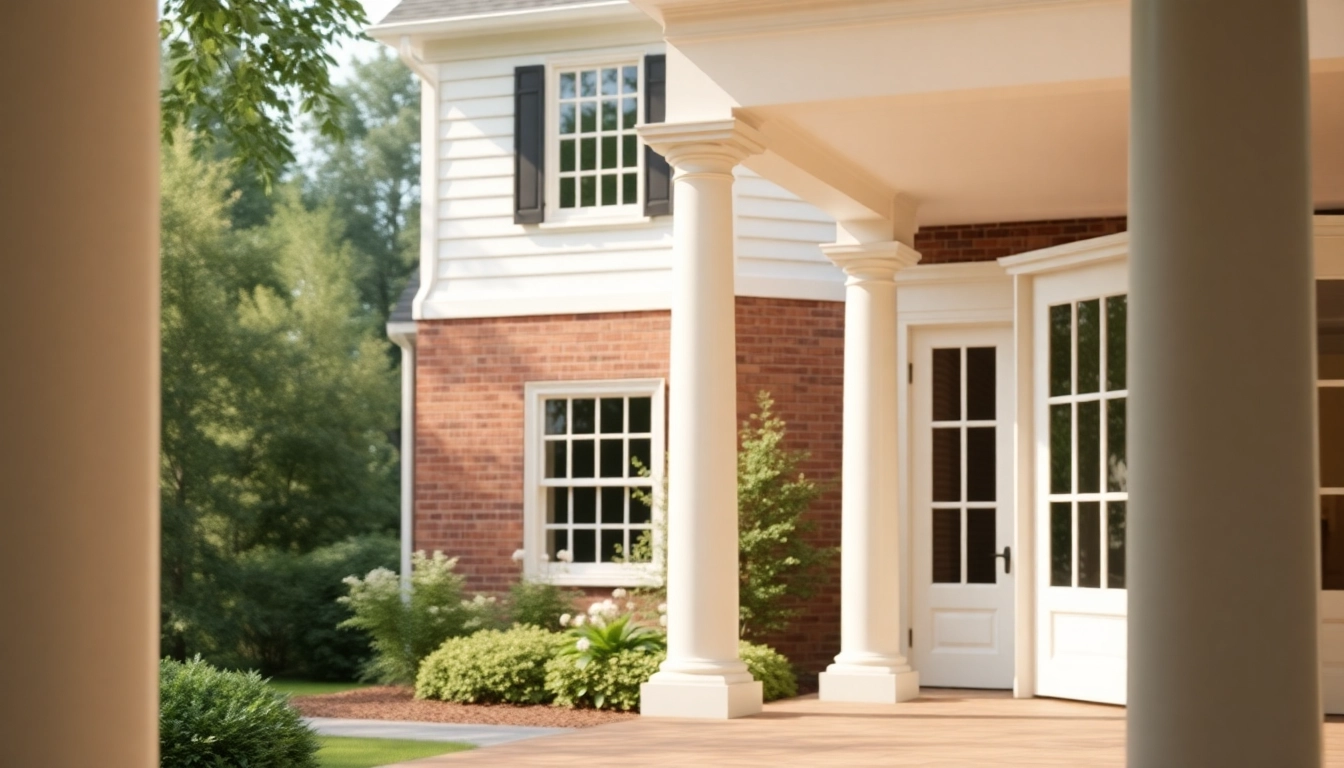
Understanding Colonial Additions
What is a Colonial Addition?
A colonial addition is an architectural extension that retains the classic aesthetic of colonial design while providing modern functionality and living space. These extensions are often characterized by symmetry, proportionate dimensions, and historically inspired elements. A well-designed colonial addition not only enhances the home’s living area but also boosts its overall value and curb appeal. Integrating a colonial addition into your property can create a seamless transition from old to new, marrying the charm of traditional architecture with contemporary needs.
Key Characteristics of Colonial Style
The colonial style is rooted in the architectural traditions of early American settlers and is known for its timeless elegance. Here are the key characteristics:
- Symmetry: Colonial homes exhibit balanced facades, often featuring evenly spaced windows and centrally located doors.
- Gabled Roofs: A distinct sloping roof is a hallmark of colonial architecture, providing a classic look and effective water drainage.
- Materials: Wood, brick, and stone were commonly used in colonial homes, which can be replicated or updated in modern additions.
- Classic Trim: Details like crown moldings, wainscoting, and paneling add richness and character to colonial design.
- Defined Spaces: Colonial homes often feature formal settings like parlors and dining rooms, enhancing a sense of order and functionality.
Benefits of Adding a Colonial Addition
Opting for a colonial addition can bring numerous benefits:
- Enhanced Space: A colonial addition increases the square footage of your home, allowing for more living areas or additional rooms.
- Increased Property Value: Properties with well-executed additions typically see a rise in value, making them appealing to future buyers.
- Aesthetic Appeal: Extending a home while maintaining architectural integrity may improve its overall visual appeal.
- Modern Amenities: Additions offer the opportunity to incorporate modern features such as energy-efficient windows and open-floor concepts.
Planning Your Colonial Addition
Assessing Your Current Home Structure
The first step in planning your colonial addition involves assessing your current home structure. Understanding its architecture, dimensions, and existing features is critical. Consider the following:
- Foundation: Ensure the foundation can support the extra weight of the addition.
- Exterior Style: The addition should match the original structure regarding style, materials, and height.
- Available Space: Examine the yard and determine the best placement that adheres to local zoning laws.
Setting a Budget for Your Project
Setting a budget is paramount before beginning your colonial addition project. Consider the following expenses:
- Design Costs: Hiring an architect skilled in colonial design is often a worthwhile investment.
- Building Materials: Quality materials will ensure longevity and aesthetic appeal.
- Labor Costs: Reliable contractors or builders may charge a premium for their expertise in historical architecture.
- Unexpected Expenses: Set aside at least 10% of your budget for unforeseen issues that may arise during construction.
Design Considerations for Colonial Additions
Designing your colonial addition requires careful thought and planning:
- Architectural Integrity: Maintain the essential colonial elements such as symmetry and proportion.
- Window and Door Placement: Align with existing windows and doors for visual harmony.
- Roof Design: Ensure the pitch and style of the roof complements the original structure.
- Outdoor Spaces: Consider how landscaping, walkways, and patios integrate with the new addition.
Choosing Materials for Colonial Additions
Traditional vs. Modern Materials
When selecting materials for your colonial addition, you can choose between traditional materials that reflect historical accuracy or modern options that enhance durability and efficiency:
- Traditional Materials: Brick, natural wood, and stone are classic choices that encapsulate colonial style.
- Modern Materials: Fiber cement siding and vinyl can offer long-lasting durability and low maintenance while mimicking traditional aesthetics.
Color Schemes for Colonial Additions
Color plays a vital role in the cohesion between your new addition and the existing structure:
- Classic Whites: Bright white reflects the purity of colonial architecture.
- Earthy Tones: Rich browns, greens, and grays evoke the natural surroundings.
- Accent Colors: Use colors for shutters and doors that complement but contrast with the dominant colors for visual interest.
Energy Efficiency in Material Selection
Energy efficiency should be a priority in your material selection process. Consider the following:
- Insulation: Invest in high-quality insulation materials to reduce heating and cooling costs.
- Windows: Opt for double or triple-glazed windows to enhance energy efficiency while retaining historical character.
- Sustainable Choices: Choose sustainably sourced materials to minimize environmental impact.
Execution and Construction
Finding the Right Architect or Contractor
Choosing the right architect or contractor who specializes in colonial-style additions is critical for the success of your project. Here are some steps you can take:
- Research: Look for professionals with experience in colonial architecture.
- Portfolio Review: Examine previous projects to evaluate style and quality of work.
- Interviews: Conduct interviews to gauge understanding and compatibility.
Permitting and Regulations
Before construction begins, you must navigate local permitting and regulation requirements. These commonly include:
- Zoning Laws: Ensure your addition complies with local zoning regulations regarding size and placement.
- Building Permits: Obtain necessary permits from local authorities before commencing any construction work.
- Historical Considerations: If your home is in a historic district, additional scrutiny may be involved in the approval of your plans.
Timeline for Construction Phases
Having a clear timeline helps in managing expectations and monitoring progress throughout the construction process:
- Design Phase: This can take several weeks to months, depending on complexity.
- Approval Phase: Permitting can take anywhere from a few weeks to several months.
- Construction Phase: Actual building may take 3-6 months, depending on project scope.
Maintaining Your Colonial Addition
Regular Maintenance Tips
Maintaining your colonial addition ensures its longevity and appearance over the years. Regular upkeep involves:
- Routine Inspections: Check for damage or wear regularly and address any issues promptly.
- Cleaning: Clean external surfaces and trim to prevent buildup of dirt and grime.
- Seasonal Care: Prepare the addition for seasonal changes, such as clearing gutters or insulating pipes before winter.
Enhancing Curb Appeal Post-Construction
After construction, enhancing curb appeal can further integrate the addition into the existing home. Consider:
- Landscaping: Add well-designed gardens, pathways, or planting beds to invite attention to your new extension.
- Lighting: Exterior lighting can create ambiance and highlight architectural features at night.
- Finishing Touches: Updated shutters, trim, and paint can provide that polished, cohesive look.
Adapting to Changing Needs Over Time
As your family evolves, so too might your needs for space and functionality in your colonial addition:
- Multifunctional Spaces: Design areas that can serve multiple purposes, such as a guest room that converts to a home office.
- Future Modifications: Incorporate design elements that allow for easy modifications down the line without extensive reconstruction.
- Accessibility: Ensure spaces are accessible for all family members, considering mobility needs as they arise.
FAQs
1. How long does a typical colonial addition take to build?
On average, a colonial addition takes approximately 3-6 months from planning to completion, including design and permitting phases.
2. Can I use modern materials for my colonial addition?
Yes, while keeping the aesthetic, you can use modern materials like fiber cement siding that offer durability and require less maintenance.
3. Are there specific laws for building in historic districts?
Yes, homes in historic districts often have strict regulations to maintain the area’s historical integrity, affecting design and materials used.
4. What are the most common issues during a colonial addition project?
Common issues include unexpected structural problems, delays in permitting, and cost overruns due to material choices or labor costs.
5. How can I maintain my colonial addition’s appearance?
Regular cleaning, periodic inspections for wear, and seasonal preparations can help maintain your colonial addition’s aesthetics and functionality.