
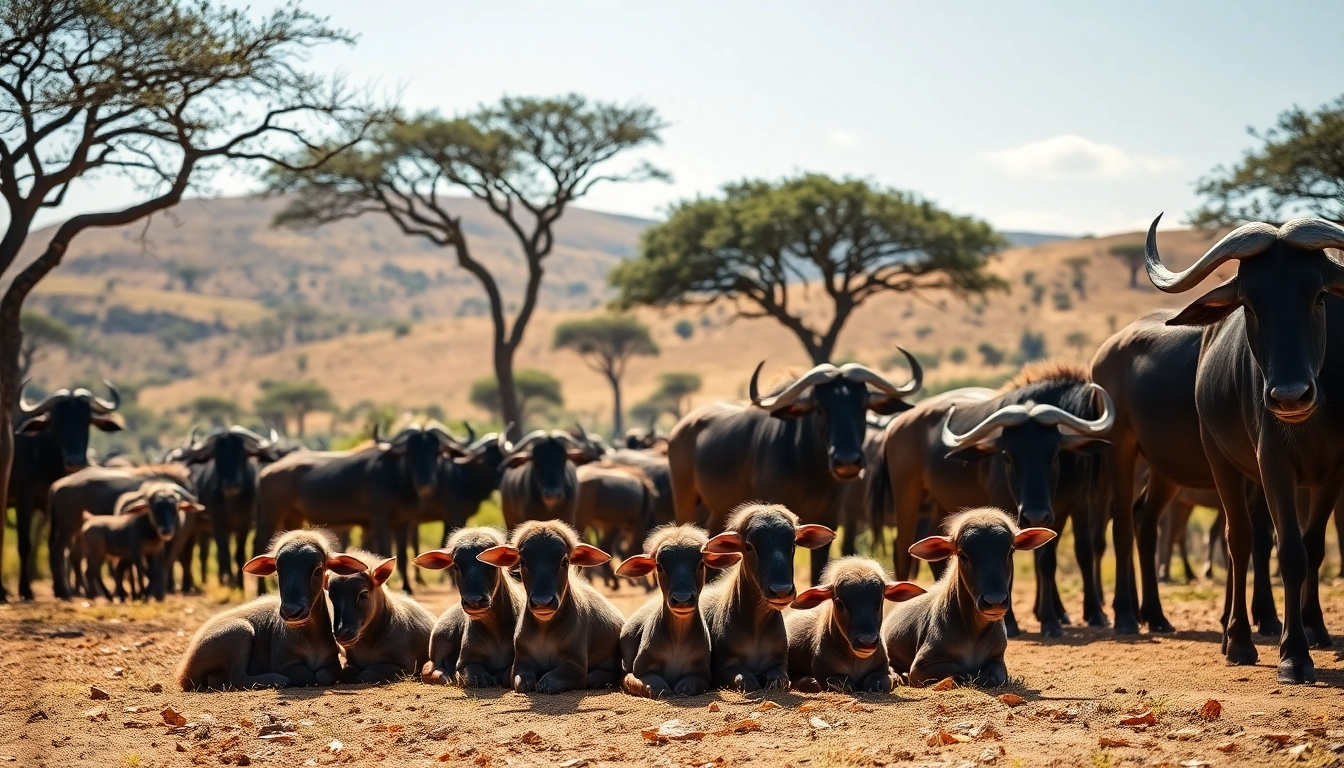
Understanding the Wildebeest Calving Season
What Is the Wildebeest Calving Season?
The wildebeest calving season is a remarkable natural event characterized by the mass birthing of wildebeest calves primarily in the Serengeti region of Tanzania. This phenomenon occurs annually and presents a captivating spectacle, showcasing the cycle of life in the African savannah. The calving season plays a critical role in the wildlife ecosystem, influencing predator behavior and the dynamics of the entire habitat. For those seeking to witness this extraordinary event, a Wildebeest Calving season safari offers an unparalleled opportunity to observe nature in its rawest form.
Timing and Duration of the Calving Season
The wildebeest calving season typically occurs from late January to mid-March, with the peak birthing period often seen in February. During this time, hundreds of thousands of wildebeests give birth to their young, with estimates suggesting that around 500,000 calves are born each season. The timing is crucial as it coincides with the availability of fresh grazing pastures that the mother wildebeests rely on to nourish their young. The duration of the calving season is relatively short, lasting about three months, which is why planning a visit during this timeframe is essential for optimal viewing opportunities.
Key Locations for Calving Safaris
Several locations within Tanzania are renowned for hosting the wildebeest calving season. Among them, the Ndutu area at the southern end of the Serengeti National Park stands out as the prime spot for witnessing this extraordinary event. The vast, open plains provide an ideal setting for the wildebeests to migrate to during calving. Other notable locations include the Western Corridor and areas near Lake Ndutu, where the herds gather in significant numbers, offering safari-goers spectacular views of both the mothers and their newborns.
Significance of the Calving Season
Impact on the Ecosystem
The impact of the wildebeest calving season on the ecosystem is profound. This seasonal event not only fosters the survival of young wildebeests but enriches the local flora by prompting fresh growth as the large herds graze efficiently. Additionally, the increased presence of wildebeests draws various herbivores and other species, contributing to a dynamic balance among the animals within the ecosystem. The calving season acts as a crucial phase for nutrient exchange and energy flow, maintaining the vitality of the Serengeti habitat.
Predator-Prey Dynamics During This Period
During the calving season, predator-prey dynamics shift dramatically. With a large number of vulnerable calves being born, predators such as lions, cheetahs, and hyenas become highly active, capitalizing on the abundance of food. This period of increased predation helps maintain ecological balance by regulating wildebeest populations. It also provides wildlife enthusiasts and photographers with unique opportunities to observe interactions between predators and their prey, enhancing the overall safari experience.
Tourism and Economic Benefits
The wildebeest calving season significantly contributes to tourism in Tanzania, attracting thousands of visitors eager to witness this natural spectacle. The influx of tourists bolsters the local economy, creating jobs and funding conservation efforts that benefit both wildlife and local communities. The increased presence of visitors supports lodges, safari operators, and local artisans, ensuring that the benefits of such natural wonders circulate within the region. Consequently, the calving season not only offers unparalleled wildlife experiences but also becomes a critical economic driver for the affected areas.
Planning Your Wildebeest Calving Season Safari
Best Times to Visit
The best time to visit during the wildebeest calving season is from late January to mid-March. It is advisable to plan your safari in February when the likelihood of experiencing the highest number of births and associated wildlife activity is at its peak. Early bookings are recommended as this period is popular with tourists and accommodations can fill up quickly. Ensuring travel arrangements and safari tours are organized well in advance increases your chances of securing the best experiences.
Types of Safari Experiences
Safari experiences during the calving season can vary widely depending on personal preferences. Options range from luxurious lodges offering guided tours to camping safaris that immerse participants in the seasonal dynamics of the Serengeti. For a more intimate experience, consider private safari tours that provide tailored itineraries, allowing for flexibility in exploring specific regions known for calving activity. Whichever option you choose, ensure it aligns with your expectations for wildlife sighting, comfort, and adventure.
Essential Packing Tips
Packing appropriately for a wildebeest calving season safari is essential to maximize enjoyment and comfort. Key items to include are lightweight, breathable clothing in neutral colors that blend with the landscape. Binoculars for wildlife viewing, a camera with a zoom lens for capturing distant action, and a sturdy pair of binoculars can enhance the safari experience significantly. Don’t forget to pack sunscreen, a hat for sun protection, and insect repellent, as these can improve your comfort levels during explorations.
What to Expect on the Safari
Wildlife Sightings Beyond Wildebeests
While the wildebeest calving season primarily centers around the births of calves, visitors can expect to see a diverse array of wildlife beyond just wildebeests. The calving season attracts various herbivores, including zebras, gazelles, and birds that are often seen in close proximity. Numerous predators take advantage of the calving season, making lion, cheetah, and hyena sightings common. The thriving ecosystem during this period provides an opportunity for photographers and wildlife enthusiasts to witness the intricate web of life in the Serengeti.
Photography Opportunities
The calving season presents excellent photography opportunities for both amateur and professional photographers. With the dramatic scenery of the African plains, contrasting colors of the wildflowers, and heartwarming moments of wildebeest mothers caring for their calves, photographers can capture breath-taking images. Early morning and late afternoon light create the best conditions for showcasing the beauty of the landscape. It is advisable to bring a camera with a good zoom lens, as this allows you to capture intimate moments without disturbing the wildlife.
Guided Tours vs. Self-Drive Safaris
When deciding between guided tours and self-drive safaris, it’s important to weigh the pros and cons of each option. Guided tours typically come with experienced guides who have extensive knowledge of the wildlife and the best viewing spots. They can enhance your understanding of animal behavior and lead you to prime locations. On the other hand, self-drive safaris offer more flexibility and the chance to explore at your own pace. Ultimately, the choice may depend on your experience level with wildlife and your comfort in navigating the terrain.
FAQs about the Wildebeest Calving Season Safari
When is the best time to see the calving season?
The best time to witness the wildebeest calving season is typically from late January to mid-March.
What should I wear on a safari during calving season?
Dress in lightweight, breathable layers with neutral colors to blend in and stay comfortable.
How far in advance should I book my safari?
It’s advisable to book at least 6-12 months in advance for the best accommodations and tours.
Can I see other wildlife during the calving season?
Yes, predators like lions and hyenas are more active during this time, providing excellent viewing opportunities.
Is a guided safari better than a self-drive option?
Guided safaris offer expert knowledge and safer experiences, while self-drive options provide flexibility.