
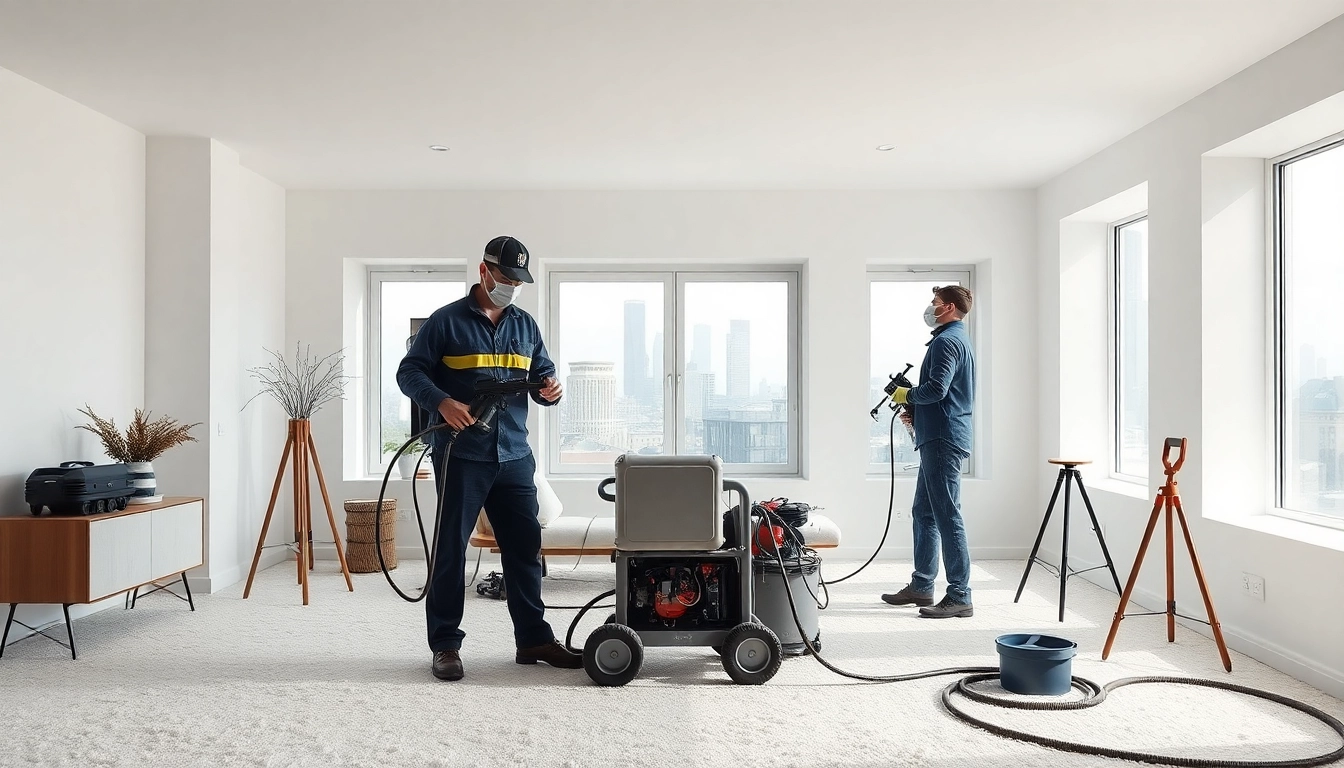
Understanding Spray Foam Removal London
Spray foam insulation has gained popularity over the years for its efficiency and effectiveness in sealing homes against the various environmental factors. However, when it comes time to replace or remove this material, many homeowners find themselves grappling with the challenges involved. Understanding the nuances of spray foam removal London is crucial for maintaining a safe and healthy living environment. This article delves into the intricacies of spray foam, the importance of its removal, and the benefits of hiring professionals for the task.
What is Spray Foam?
Spray foam insulation is a substance made from a combination of two main components—polyurethane and isocyanate. When these materials are mixed, they rapidly expand and harden, creating a solid barrier that can effectively insulate spaces. This foam is often applied in attics, walls, and crawl spaces, providing not only insulation but also acting as an air sealant. Its hydrophobic nature offers some degree of moisture resistance, which can benefit homeowners in damp climates.
Importance of Removal
Over time, spray foam insulation may degrade, lose its effectiveness, or even result in unforeseen consequences. Understanding the importance of its removal hinges on several factors. First, old spray foam can be a breeding ground for mold and mildew. Second, improper installation may lead to air leaks and lower energy efficiency, ultimately increasing utility bills. Lastly, health risks associated with deteriorating materials underscore the necessity of timely removal.
Sparkling Benefits of Professional Services
While many homeowners may consider a DIY approach to spray foam removal, the benefits of hiring professionals far outweigh any potential cost savings. Professionals come equipped with the right tools, techniques, and safety gear necessary to handle the job effectively. Furthermore, individuals who specialize in spray foam removal London are well-informed about the best practices for both removal and replacement, ensuring minimal disruption to other aspects of the home. A professional service also guarantees that hazardous materials are handled correctly, facilitating safe disposal.
Common Issues with Spray Foam Insulation
Despite its advantages, spray foam insulation can present various issues when it comes to removal. Understanding these challenges is crucial for any homeowner considering replacement or upgrade.
Potential Health Risks
One of the most pressing concerns regarding spray foam is its potential health risks. The chemicals involved in spray foam insulation can emit volatile organic compounds (VOCs) as they degrade. Long-term exposure to these chemicals can lead to respiratory issues, skin irritation, and other health complications. Hence, promptly addressing any signs of deterioration is essential for protecting your family’s health.
Environmental Concerns
Spray foam insulation can also raise environmental concerns. The chemicals used in its production can contribute to ozone depletion if not appropriately managed during removal. Moreover, if improperly disposed, spray foam can contaminate landfills. Therefore, eco-friendly practices in both the removal process and disposal should be a priority for homeowners.
Compatibility with Home Structures
Old spray foam might not be compatible with the existing structure, particularly if it has expanded and created pressure points within walls or ceilings. This can lead to structural integrity issues and complications when attempting remediation. Understanding these compatibility challenges is necessary for ensuring a seamless transition to a new insulating solution, whether fiberglass or more contemporary foam types.
The Process of Spray Foam Removal
The process of removing spray foam insulation may appear straightforward at first glance, but it involves various complex steps that require specialized knowledge and expertise. Here’s a comprehensive breakdown:
Preparation Steps
Preparation is crucial before any removal operation. The first step involves assessing the area where the insulation exists. Homeowners should consult professionals to conduct thorough inspections and create a strategic plan. Once this is completed, homeowners should clear the space of any furniture or belongings to minimize disruption and ensure worker safety.
It’s also essential to ensure proper ventilation throughout the entire removal process. This may involve opening windows, using fans, or employing air purifiers to manage any dust or chemical particles released during the removal.
Techniques Used
There are several techniques employed by professionals for effective spray foam removal. Tools such as specialized saws and scraping implements help remove foam without damaging surrounding structures. For larger areas, industrial removal equipment might be utilized, which can enhance both efficiency and effectiveness.
Additionally, some techniques include the use of solvents that can dissolve or break down the foam, making it easier to remove. Professionals will select the most appropriate method based on the specific circumstances of each job.
Post-Removal Procedures
After the foam is removed, diligent cleaning and inspection are vital. This ensures that no remnants are left behind, which could lead to complications in the future. Professionals will also typically conduct an air quality assessment to identify any lingering VOCs before moving forward with new insulation installation. Finally, they should provide recommendations for new insulation types that best serve the home’s needs.
Choosing the Right Professionals in London
Selecting the right professionals for spray foam removal in London is critical for ensuring the job is done safely and effectively. Here are essential considerations for choosing the right team.
Qualities to Look For
- Experience: Look for companies with experience in spray foam insulation removal, as they will have encountered various issues and know how to address them effectively.
- Licensing and Insurance: Always verify that the professionals are adequately licensed and offer insurance to protect against unforeseen incidents during removal.
- Safety Protocols: Understanding safety protocols and ensuring they are strictly followed is crucial when dealing with potentially hazardous materials.
Questions to Ask
When interviewing potential removal teams, consider asking the following questions:
- What methods do you use for spray foam removal?
- Can you provide references or customer testimonials?
- What safety measures do you implement during the removal process?
Evaluating References and Reviews
Finally, always evaluate references and reviews from previous clients. Online platforms can provide valuable insights into a service provider’s reputation and quality of work. Look for consistent positive feedback regarding customer service, thoroughness, and satisfaction with the end results.
FAQs about Spray Foam Removal London
How long does the spray foam removal process take?
The duration varies based on the size of the project but typically ranges from a few hours to a couple of days.
Is spray foam removal safe for my home?
Yes, when conducted by professionals, the removal process is safe for your home and family.
What happens if I don’t remove old spray foam?
Neglecting removal can lead to health issues, structural damage, and decreased energy efficiency.
Can I remove spray foam insulation myself?
DIY removal is not recommended due to potential safety hazards and improper techniques.
How do I prepare my house for spray foam removal?
Clear the area of furniture and personal items, and ensure adequate ventilation before the process begins.